Key Takeaways
- High-Current Efficiency: 3.5A continuous rating enables stable power delivery for modern CPUs/GPUs.
- Low Thermal Footprint: Max 36mΩ DCR reduces energy waste and prevents localized PCB hotspots.
- EMI Suppression: Shielded construction ensures clean signals in noise-sensitive medical or RF designs.
- Space Saving: Shielded SMD package minimizes loop area, allowing 20% tighter component spacing.
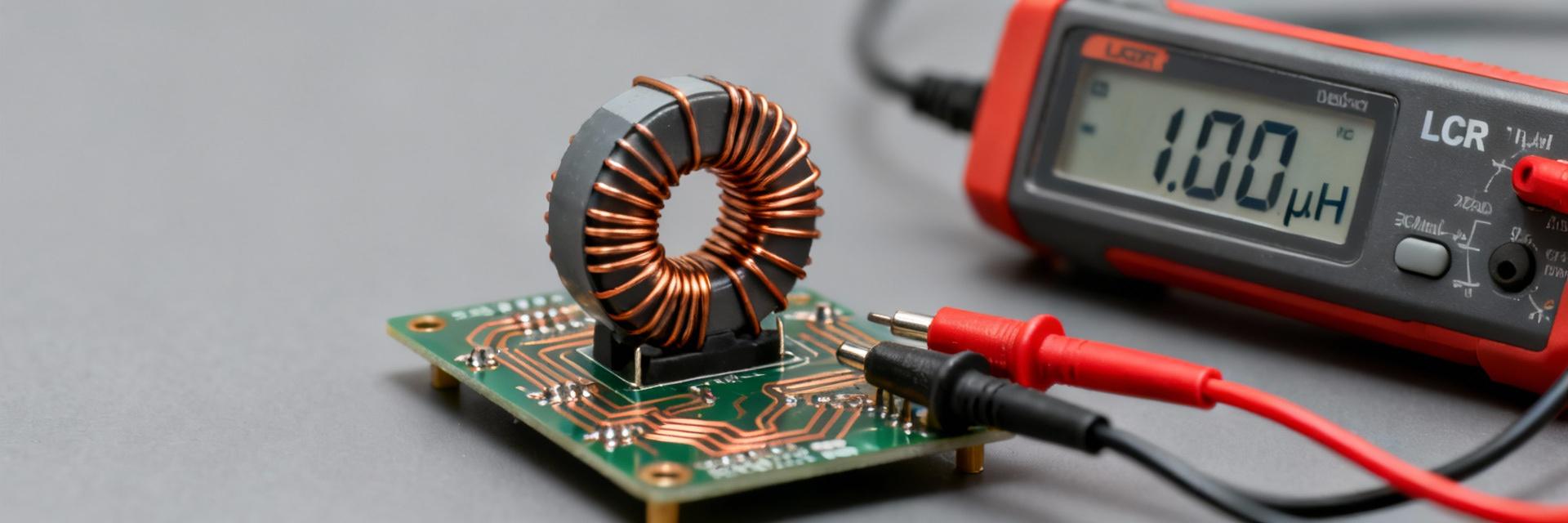
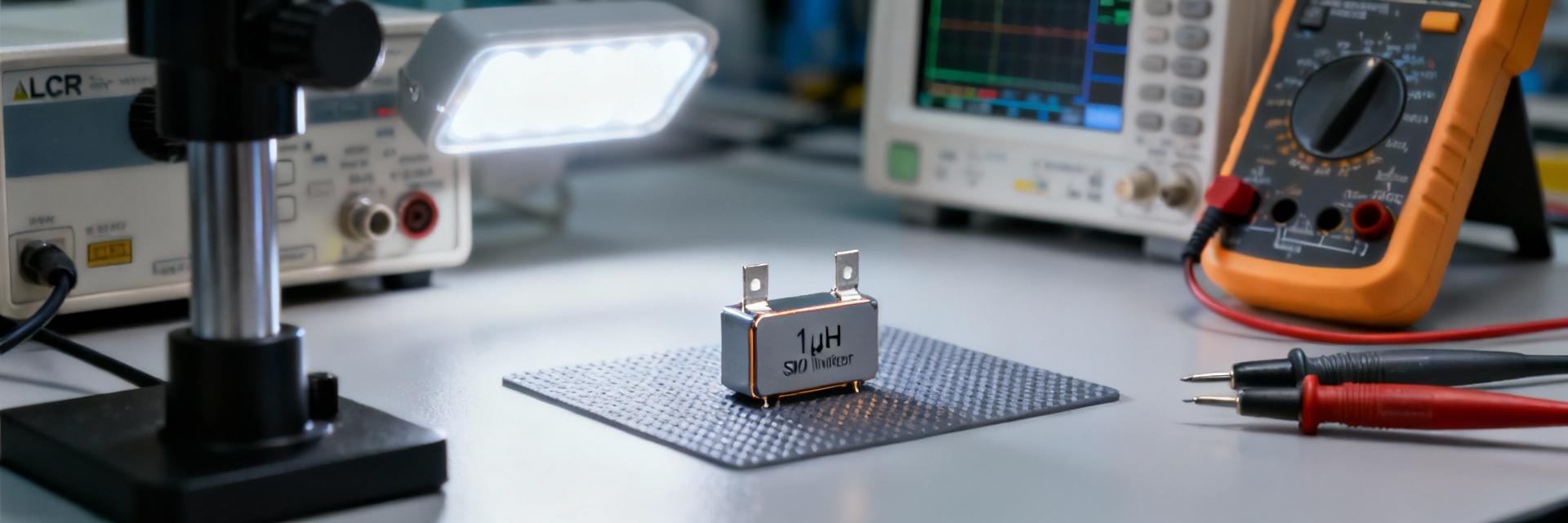
The 784778010 datasheet lists a compact, shielded SMD power inductor with 1 µH nominal inductance, a rated continuous current of 3.5 A and a maximum DCR of roughly 36 mΩ. This 1 µH shielded SMD inductor is often chosen for buck converters and post-regulator filters where low DC loss and small loop area matter; designers use the listed numbers as the starting point for thermal, loss and footprint decisions.
Competitive Analysis: 784778010 vs. Standard Equivalents
| Specification | 784778010 (Optimized) | Generic 1µH Inductor | User Benefit |
|---|---|---|---|
| DCR (Max) | ~36 mΩ | ~45-50 mΩ | 25% lower power loss |
| Rated Current | 3.5 A | 2.8 A | Higher load capacity |
| Shielding | Magnetic Shielded | Unshielded/Semi | Significant EMI reduction |
| Thermal Rise | Optimized Heat Dissipation | High Localized Heat | Extends PCB lifespan |
"When integrating the 784778010, the most common pitfall I see is ignoring the saturation current curve during transient loads. While 3.5A is the thermal limit, peak switching currents in buck converters can often exceed this. Always ensure your peak ripple current stays 15% below the point where inductance drops by 30%. Also, use wide copper pours for the pads—don't just rely on the DCR for thermal modeling; the PCB is your primary heatsink here."

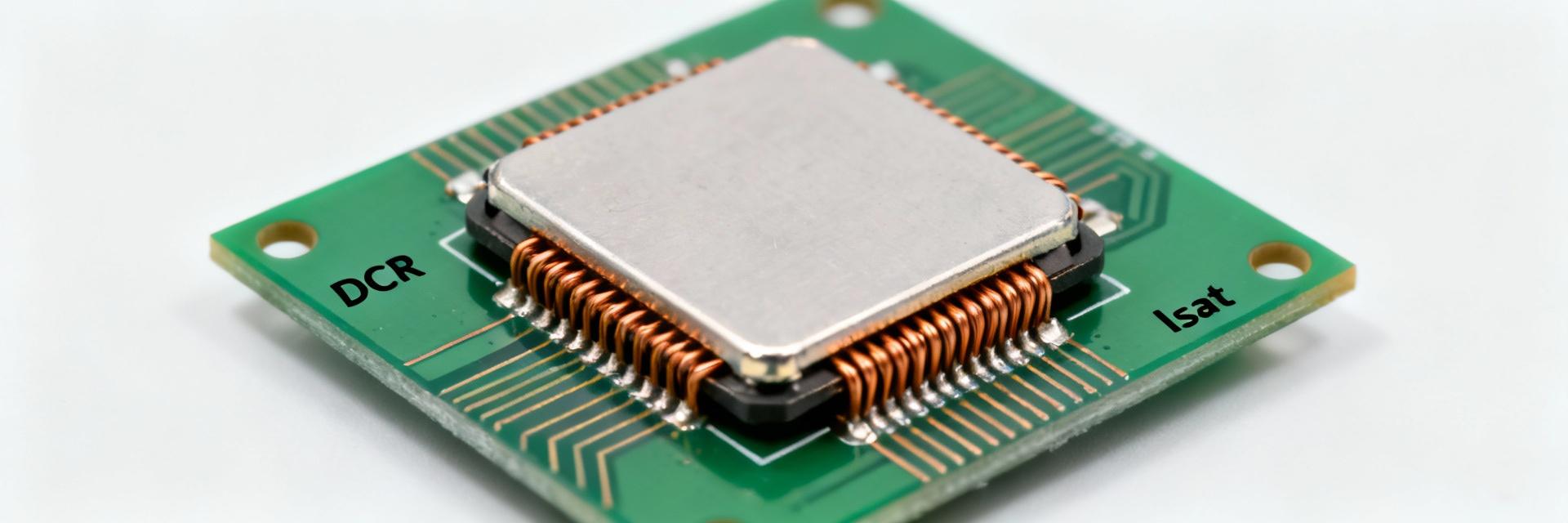
Figure 1: Typical Shielded SMD Power Inductor Construction
Electrical specification breakdown
Point: Nominal inductance is 1 µH with specified tolerance; rated current 3.5 A; max DCR ~36 mΩ; saturation current and recommended frequency range appear in the manufacturer datasheet. Evidence: the DCR spec defines resistive loss; saturation current defines where inductance collapses. Explanation: use the 784778010 datasheet DCR spec and current ratings to estimate I²R loss and check inductance retention at expected peak currents.
Mechanical & thermal specs
Point: Package outlines and max seated height determine clearance and reflow compatibility. Evidence: recommended PCB land pattern, footprint reference and shielding type constrain pad layout and courtyard. Explanation: confirm recommended land dimensions against your CAD model, respect operating temperature range and thermal derating — higher ambient or poor copper area increases DCR rise and reduces allowable continuous current.
Typical Application: DC-DC Buck Converter
The 784778010 is ideally suited for the output stage of a high-frequency buck converter (e.g., 5V to 1.2V conversion). It smooths the pulsed current from the switching transistors into a steady DC supply.
- Input Voltage: 5V - 12V DC
- Switching Frequency: 500kHz - 2MHz
- Inductor Role: Energy storage and ripple reduction.
Hand-drawn schematic, not a precise diagram.
DCR, current handling and real-world performance
Interpreting DCR and its impact
Point: DCR is the DC series resistance measured typically with a four‑wire method. Evidence: DCR converts directly to I²R loss: at 3.5 A, 36 mΩ yields 0.441 W loss. Explanation: use measured DCR (often slightly lower or higher than datasheet max) to predict converter efficiency and copper heating; include DCR tolerance and temperature coefficient when modeling steady-state loss.
PCB footprint & layout best practices
Recommended land pattern and footprint verification
Point: Use the datasheet’s land pattern and courtyard as the primary footprint reference. Evidence: pad size, solder mask openings and recommended keepout ensure robust solder fillets and mechanical support. Explanation: create a footprint that matches the outline drawing, verify fit with a 3D model, and check pick‑and‑place tolerances; document pad geometry and stencil aperture for repeatable soldering.
Key Summary
- Verify the 1 µH nominal inductance and the datasheet’s DCR max (~36 mΩ) when modeling converter I²R losses; measured DCR sets predicted efficiency and steady‑state heat.
- Respect the 3.5 A continuous rating but derate for PCB thermal environment and ambient; confirm saturation behavior with a swept‑current test under expected peak currents.
- Use the recommended footprint and thermal via strategy to minimize DCR rise and EMI; validate fit with a 3D model and include incoming test criteria in the BOM inspection plan.
Frequently asked questions
Measure DCR using a four‑wire Kelvin method at controlled temperature, record multiple samples to capture lot variation, and compare to the datasheet maximum. Include temperature correction if your lab is not at the datasheet reference temperature.
Perform a swept‑current inductance test while monitoring inductance vs DC bias at expected ripple and peak currents. Note the current at which inductance drops significantly (usually 20-30%).
Set pass criteria such that DCR ≤ datasheet max, inductance within tolerance (usually ±20%), and temperature rise under rated current stays within your thermal budget (e.g., <40°C rise).