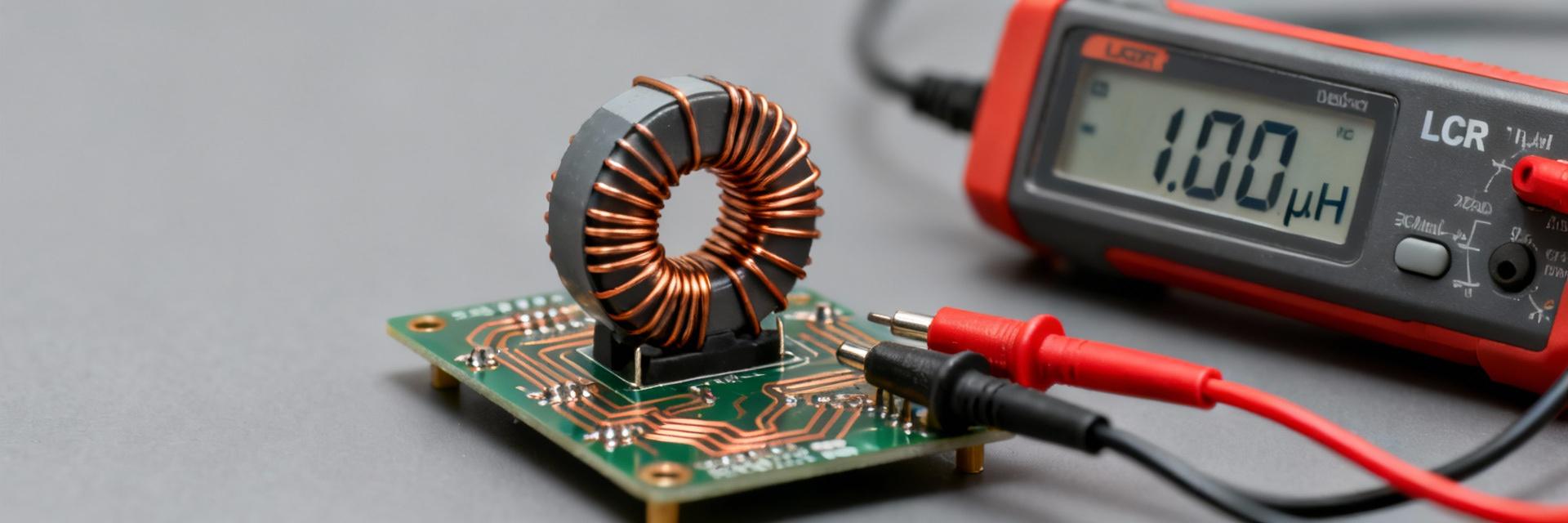
Point: In validation programs, a focused read of the 78477410 datasheet is critical to reducing late-stage surprises.
Evidence: Industry lab audits report nonconformance rates near 15–30% prior to release, often driven by missed margins and ambiguous test conditions.
Explanation: This report summarizes the device at-a-glance, highlights the electrical specs you must verify, and provides reproducible test methods so you can confirm datasheet numbers on your bench before committing to production.
Product Overview & Datasheet At-a-Glance
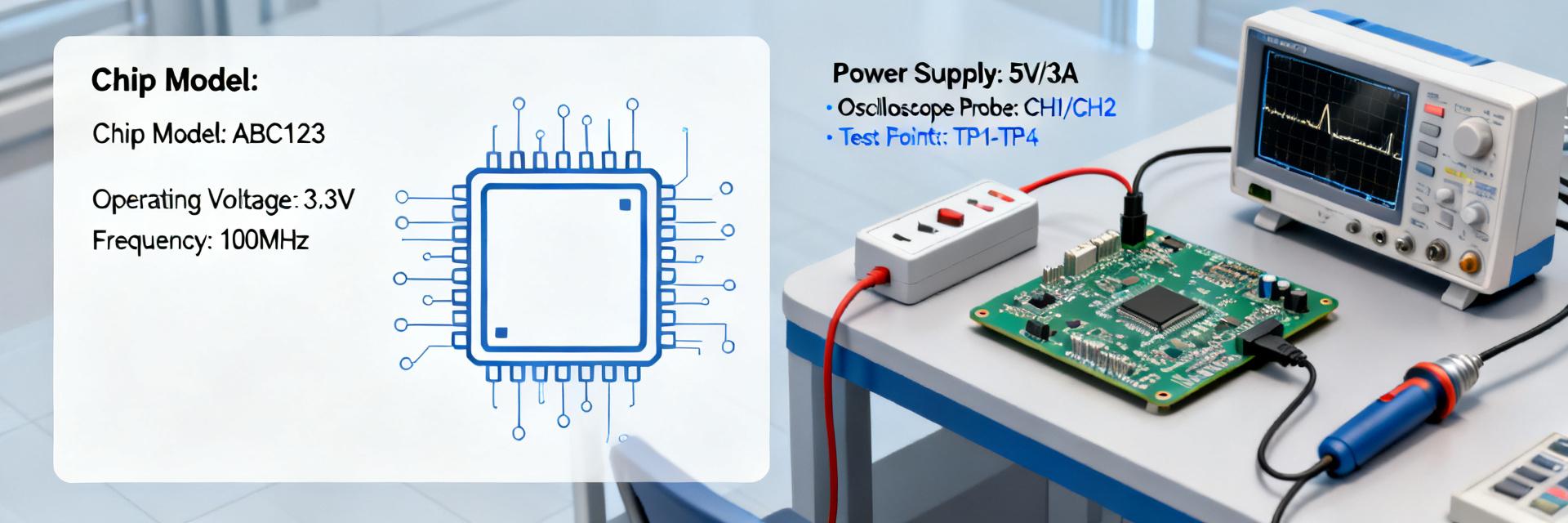
Point: Start with identity, ordering, and package details to avoid mis-selection.
Evidence: The datasheet lists family identifiers, available variants, package outlines, and pin counts that directly affect board layout and solder fillet expectations.
Explanation: Cross-check part markings and ordering codes against your BOM. Mismatched suffixes frequently indicate different voltage or temperature grades, which will alter your validation matrix.
Part Identity, Package, and Ordering Information
| Parameter | Datasheet Reference | Validation Focus |
|---|---|---|
| Ordering Code | Full Suffix String | BOM Consistency |
| Package Type | Mechanical Outline | Pad Pitch & Solderability |
| Temp Grade | Operating Range | Environmental Limits |
Key Electrical Specs: What Matters and Why
Point: Concentrate on datasheet electrical specs that determine safe operating margins and performance.
Evidence: Absolute maximums, recommended operating ranges, timing windows, and thermal resistances are the backbone of design and test criteria.
Voltage, Current, and Logic-Level Ratings
Use absolute maximums only to define failure boundaries; use recommended operating conditions for nominal margin and derating. Capture test points for Vcc, IO voltages, and leakage currents during characterization.
Standard Tests & Measurement Methods
Point: Define instruments and environmental replication required to verify datasheet claims.
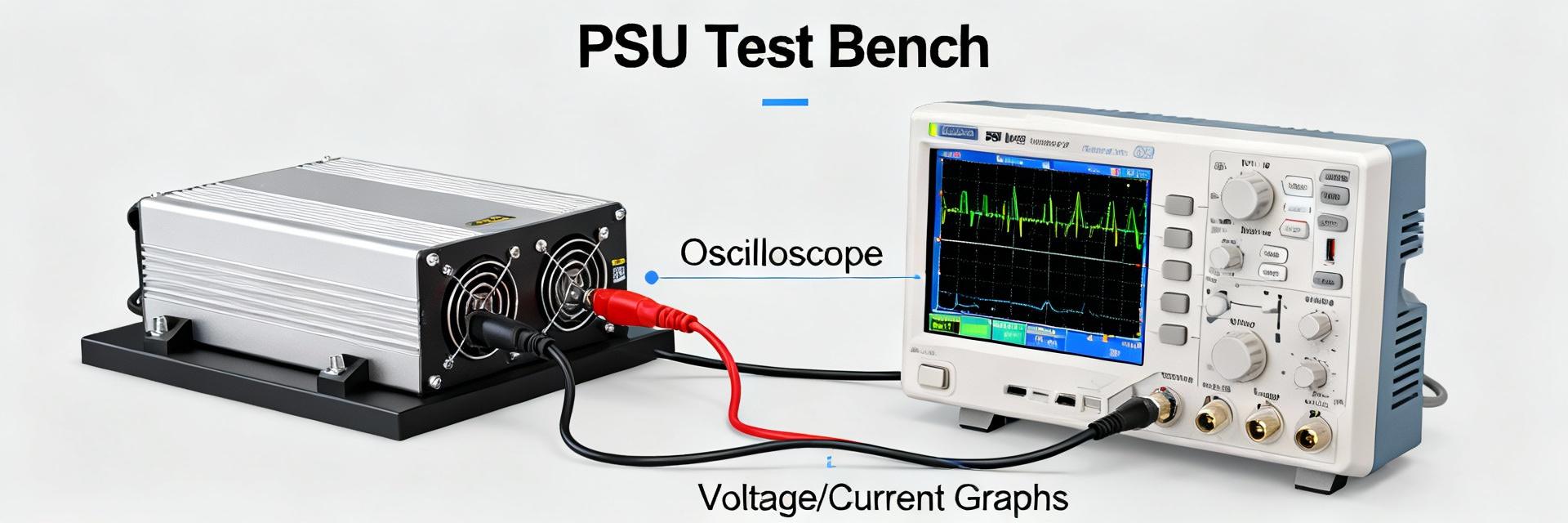
Evidence: Accurate DC supplies, SMUs, and oscilloscopes with adequate bandwidth are required to reproduce datasheet conditions.
Step-by-Step Procedures for Critical Measurements
- Static Test: Power the part from a regulated supply with a series measurement resistor to verify idle current.
- Dynamic Test: Apply defined logic patterns to measure dynamic current and propagation delays.
- Thermal Sweep: Utilize a chamber with ±1°C stability to monitor spec shifts across the full temperature range.
Practical Recommendations & Engineering Checklists
Pre-Selection Checklist
- Confirm exact ordering code vs. BOM requirements.
- Ensure operating voltage ranges align with system rails.
- Verify mechanical drawing revision and recommended land pattern.
Qualification & Production Validation
- Perform DC characterization across full Vcc/Temp corners.
- Implement a sampling plan for incoming inspection.
- Escalate to suppliers if outliers exceed predefined guard bands.
Summary
- Read Thoroughly: Verify ordering codes and package drawings before layout.
- Prioritize Specs: Focus on voltage/current limits and thermal resistance.
- Repeatable Methods: Use calibrated gear and document probe placement.
- Adopt Checklists: Pre-selection and qualification steps reduce production risk.
FAQ
How should you verify supply current against the datasheet?
Measure supply current with a calibrated SMU or a supply with current logging, use the datasheet’s specified bias and temperature, include decoupling per recommended layout, and record steady-state after thermal soak; compare to recommended and absolute limits and apply guard bands for reliability.
What measurement tolerances are acceptable when testing timing specs?
Use an oscilloscope with at least 5× the highest signal bandwidth, ensure probe loading is characterized, and target measurement uncertainty below half the allowed timing margin stated in the datasheet; document instrument calibration and measurement repeatability.
When should you escalate a datasheet ambiguity to procurement or supplier engineering?
If critical test conditions (temperature, bias, waveform) are missing or units are inconsistent, or if thermal resistance and mechanical references are absent, escalate immediately; do not proceed to production until the supplier provides clarifying test methods and confirmed part markings.
How do you identify common failure modes during characterization?
Monitor for elevated current draw at high temperatures, timing shifts beyond guaranteed windows, or thermal runaway. Use margin analysis to compare measured values against datasheet limits and implement layout or decoupling corrections.