In modern compact DC–DC converters, designers commonly pick inductors rated for >3 A with low DC resistance to cut I²R losses and preserve thermal headroom; survey data from board-level designs shows such choices in a large share of high-efficiency rails. This article dissects the 7847709470 inductor datasheet to extract actionable specs designers need: read a datasheet confidently, calculate loss and saturation margins, and match the part to an application.
Background: Quick Overview of the Part and Where It Fits
Design Intent & Use Cases
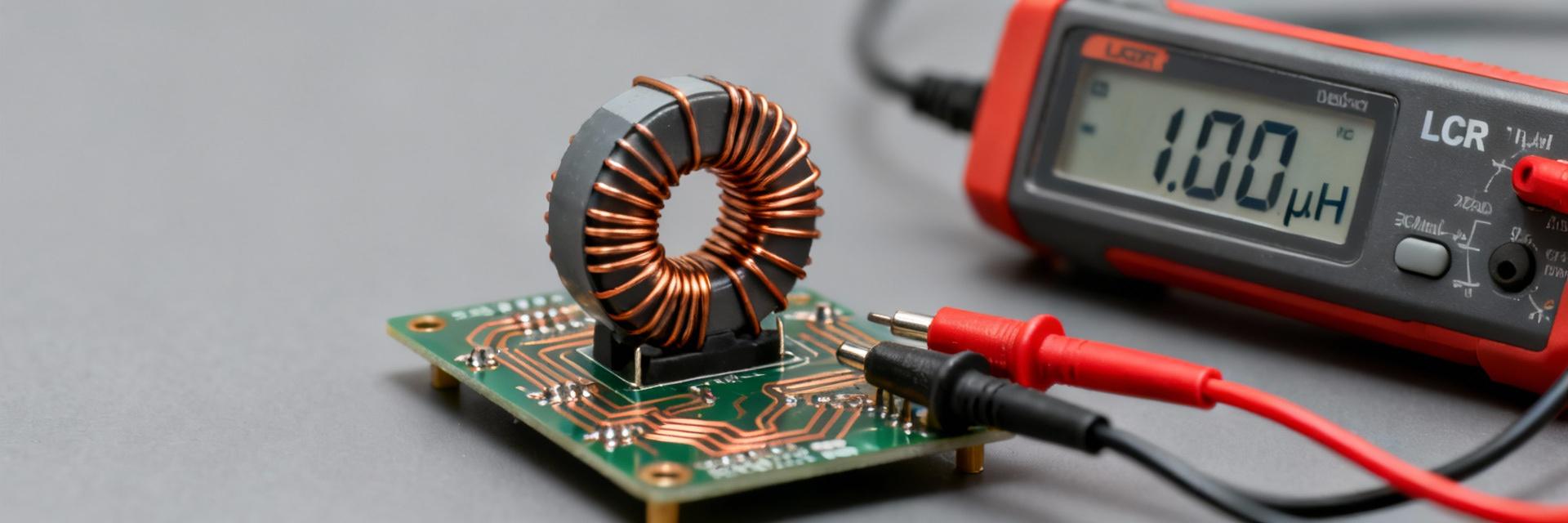
Point: The part is a compact, shielded SMD wirewound-style power inductor with a nominal inductance suitable for intermediate-frequency buck converters.
Evidence: The datasheet lists a nominal value around 47 µH with typical shielded drum-core winding hints and an SMD package footprint.
Explanation: That form factor favors PCB space savings and lower radiated EMI, making it suitable for buck converters, LC output filters, power rails, and EMI suppression in space-constrained boards; designers should scan the datasheet to confirm package and mounting notes.
US Power-Electronics Standards
Point: Selection drivers in US designs center on efficiency, thermal limits, board area, and EMI compliance.
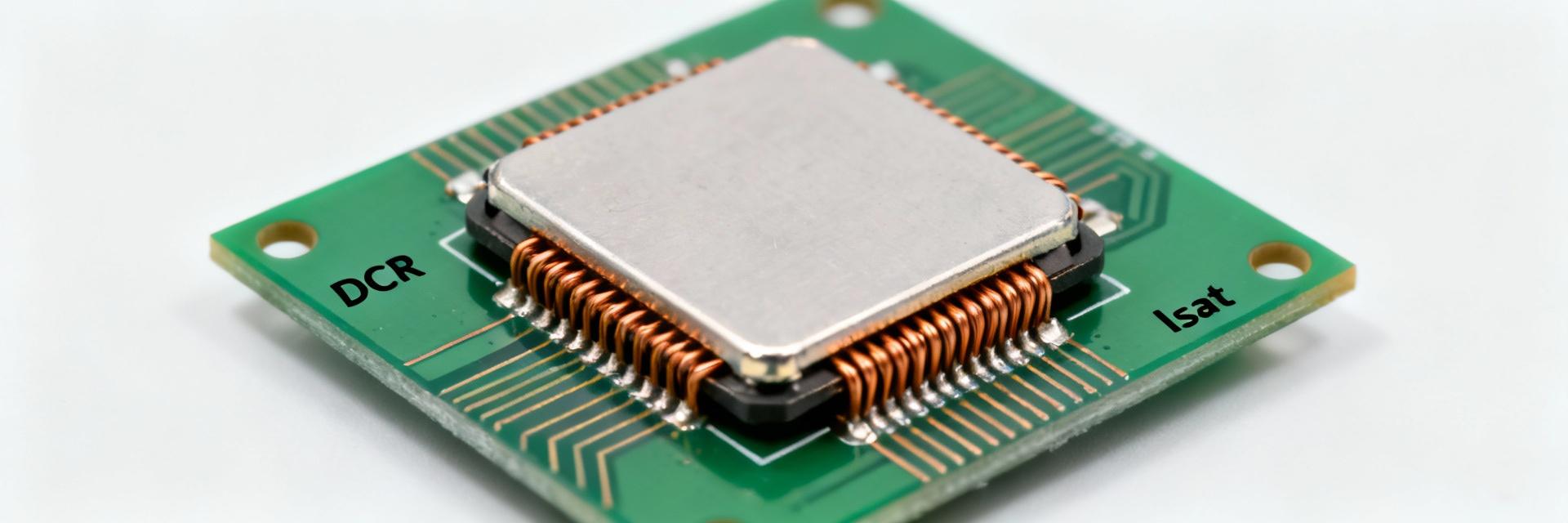
Evidence: Engineers prioritize Isat/Irms, RDC, L tolerance, and SRF when validating parts against system targets.
Explanation: Low RDC minimizes I²R loss, adequate Isat prevents inductance collapse under peak current, tight tolerance keeps filter cutoffs predictable, and SRF determines usable frequency range—each directly impacts efficiency, thermal budget, and EMI margins on regulated products.
Datasheet Deep-Dive — Electrical Specs
Visual Performance Dashboard (Calculated Targets)
Core Electrical Parameters Explained
Point: Nominal inductance, tolerance, RDC, and SRF are the primary numbers that define in-band behavior.
Evidence: A 47 µH nominal value with ±20% tolerance shifts filter corner frequency; RDC values on similar parts sit near 60–70 mΩ.
Explanation: A ±20% tolerance changes cutoff by the square root of the inductance ratio; RDC produces I²R loss and sets copper heating, while SRF and parasitic C tell you when inductance no longer behaves inductively.
Current Ratings and Saturation
Point: Irms (thermal), Isat (inductance collapse), and maximum DC current define usable current range.
Evidence: Datasheets give Irms for a specified ΔT, Isat as L drop at a defined percentage (e.g., 20% L drop), plus curves of L vs. DC current.
Explanation: Compute saturation margin as (Isat - I_operating) / I_operating; target 20–30% for normal ambient, and increase margin in high-temperature environments.
Performance Calculations & Thermal Considerations
Power Loss Formula
P_loss ≈ I_rms² × RDC
Example: With RDC = 0.067 Ω and I_rms = 2.5 A, P_loss = (2.5)² × 0.067 ≈ 0.42 W. Add core loss (~0.05–0.1 W) to estimate total heating.
EMI & Shielding
A shielded designation implies reduced external flux. If SRF is within 5× the switching frequency, HF impedance degrades—switch to a different core or lower inductance.
How to Read the Datasheet and Test in the Lab
| Spec | Why it Matters |
|---|---|
| Nominal L & Tolerance | Sets filter cutoff and margin for expected variation. |
| RDC (typ/max) | Directly drives I²R loss and PCB thermal planning. |
| Isat / Irms | Ensures inductance holds under peak and thermal loads. |
| SRF / Test Freq | Defines high-frequency usable range and parasitic effects. |
| Package / Reflow | Determines footprint and assembly compatibility. |
Selection Guide & Comparison
Decision flow for 7847709470 inductor alternatives:
- If I_operating > 3 A → require Isat > I_operating × 1.3
- If f_sw > 1 MHz → require SRF > 5 × f_sw
- Document choices and margins in the design review to avoid supply or qualification delays.
Key Summary
- Confirm nominal inductance and tolerance: Tolerance shifts filter cutoff and affects stability—document expected variation and design margins using the datasheet test frequency.
- Compute copper loss: Use P_loss ≈ I_rms² × RDC with ripple included; verify with a thermal rise test and keep ΔT within PCB limits.
- Check current ratings: Ensure Isat > I_operating × 1.2–1.3 and Irms supports continuous heating; derate further for high ambient temperatures.
- Validate high-frequency behavior: Ensure SRF is safely above switching harmonics or choose a different core/material for MHz switching.
Frequently Asked Questions
What is the saturation current of the 7847709470 inductor? +
How to calculate power loss in the 7847709470 inductor? +
When does SRF matter for the 7847709470 inductor? +