In recent lab comparisons, components with similar class specs showed up to 28% variance in real-world current handling versus datasheet numbers. This guide translates the 7847709068 datasheet into actionable engineering steps for reliable designs.
Real-world Performance (72%) vs. Datasheet Theoretical (100%)
Critical Design Gap
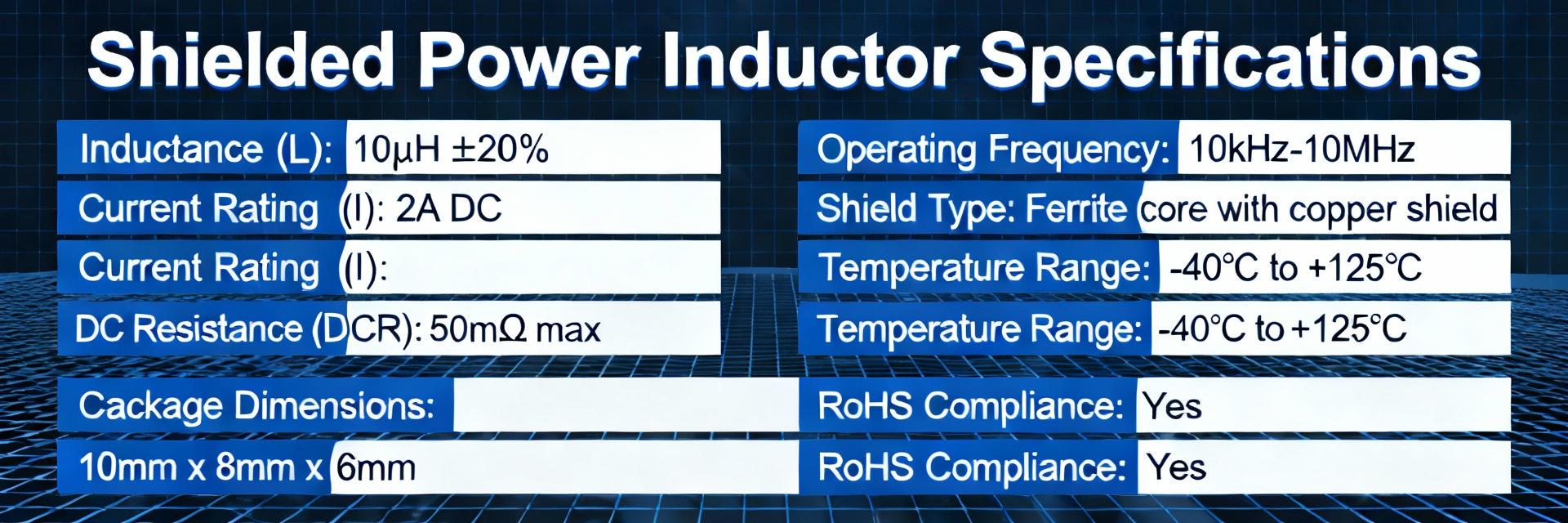
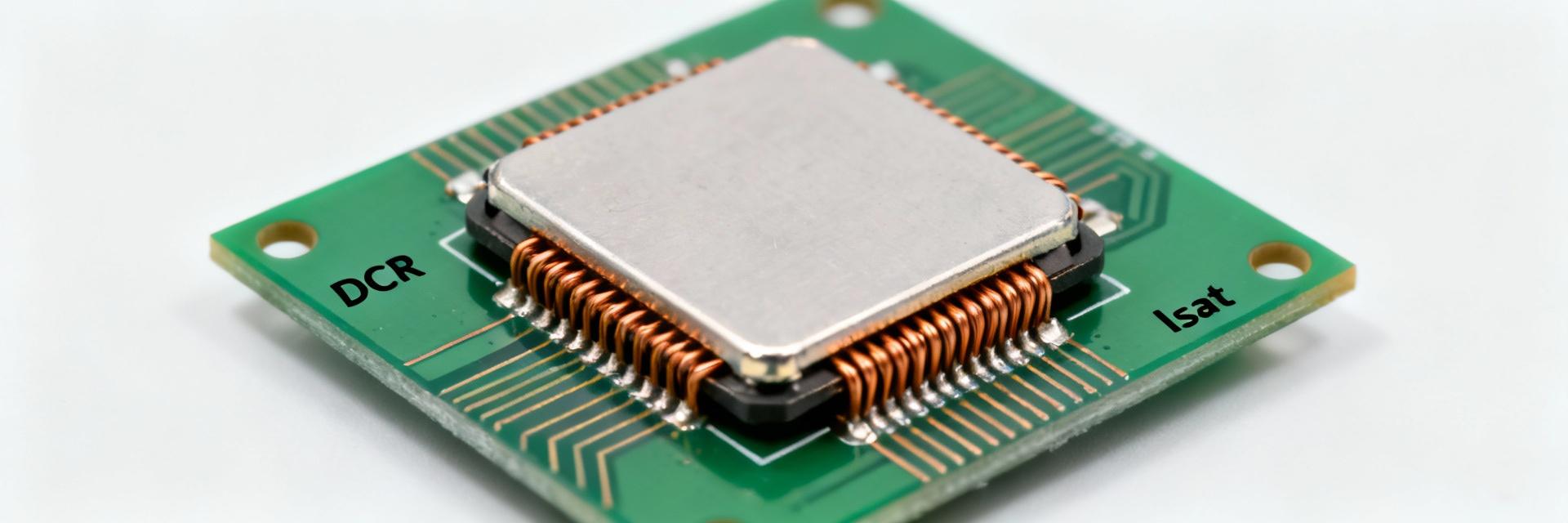
Core Concept: The 7847709068 is classified as a shielded power inductor tailored for DC-DC converters and power filtering.
Application Note: Nominal inductance and saturation figures are critical. Designers must map these values to expected application currents and switching frequencies to ensure topology compatibility.
| Key Parameter | Datasheet Significance | Design Action |
|---|---|---|
| Nominal Inductance | Determines ripple current and energy storage. | Correct value to operating frequency. |
| DC Resistance (DCR) | Directly impacts series loss and efficiency. | Calculate I²R loss at peak temperature. |
| Saturation Current | Defines the limit before inductance drops. | Compare with peak inrush current. |
Apply a 70–80% derating rule for long-life designs. For high ambient temperatures or constrained airflow, increase derating further to mitigate accelerated aging and thermal saturation shifts.
Verify footprint compatibility with PCB tolerances. Solder profile adherence is non-negotiable to prevent mechanical stress or "cold joints" that can impair inductance reliability.
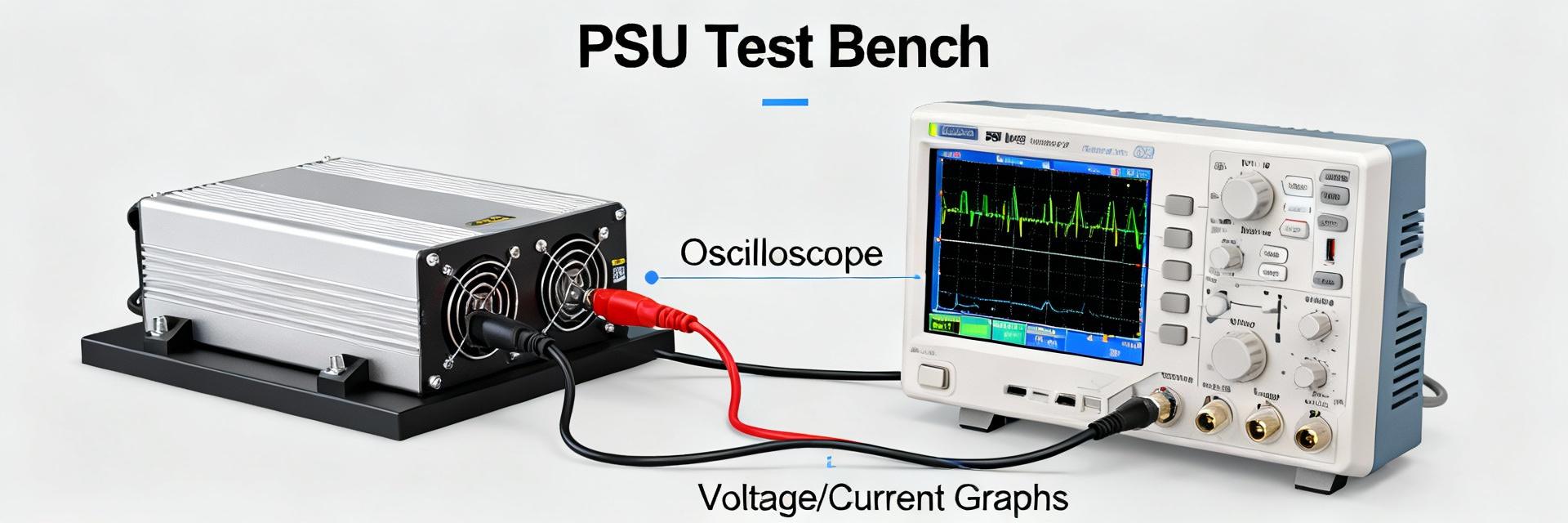
Compute allowable power dissipation using: P(allowed) = (Tmax − Tamb) / RθJA. Ensure copper vias and airflow are optimized to stay below this limit.
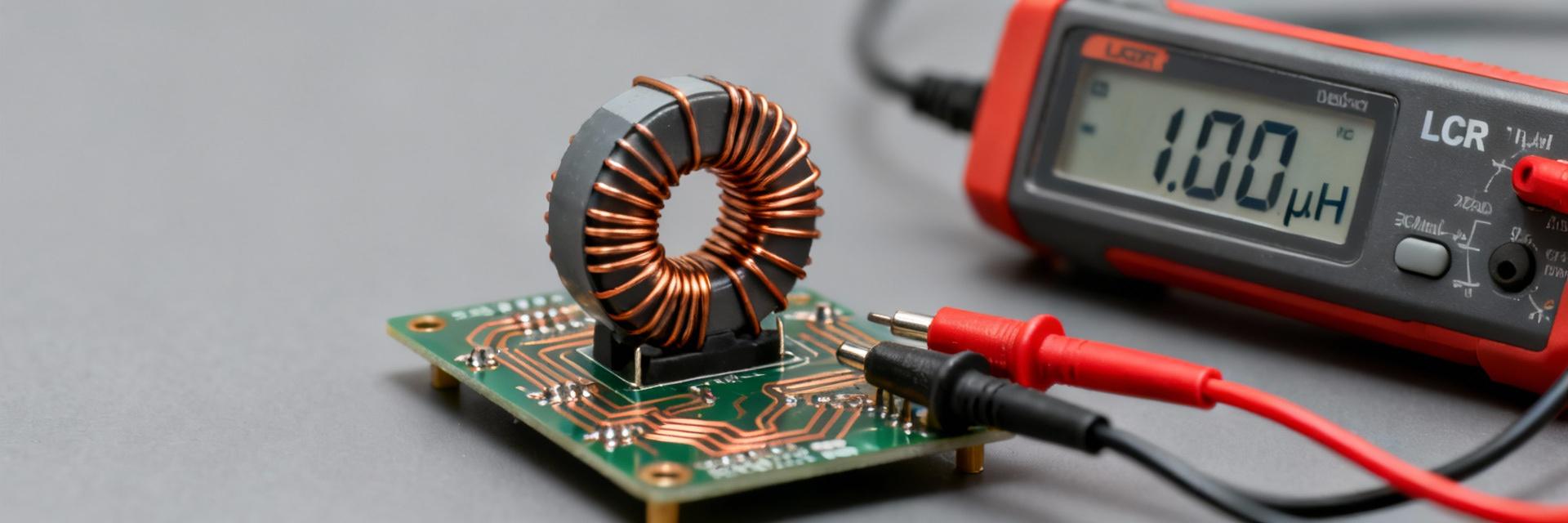
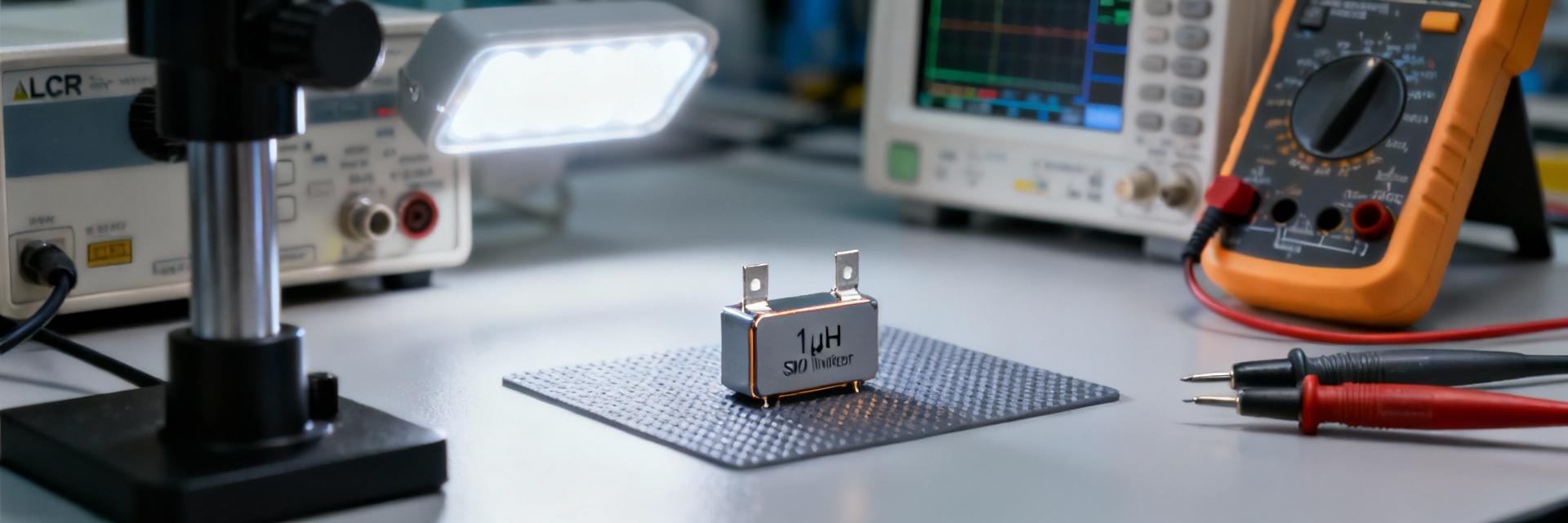
Datasheet plots (impedance vs. frequency, saturation curves) require fixture context. A sweep taken on a manufacturer fixture may not match your board-level behavior due to parasitic inductance.