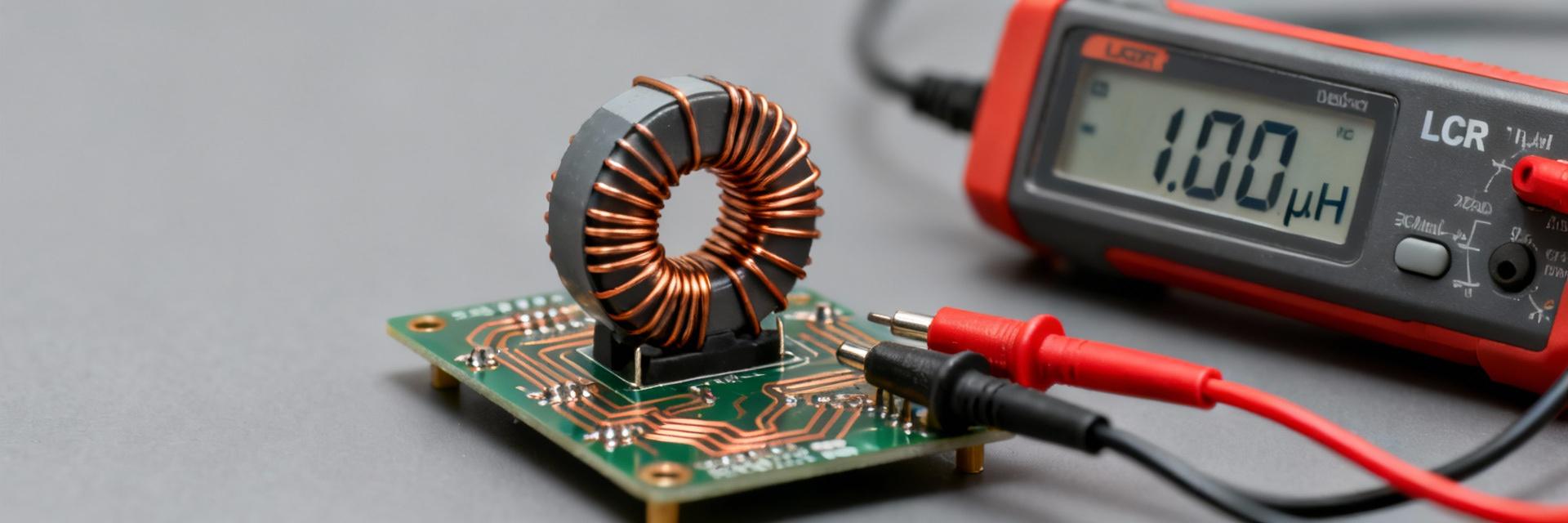
Point: Recent class measurements define how compact power inductors shape converter efficiency and thermal headroom. Evidence: Typical values for the SPM5020T-1R5M-CA include a rated DC current near 5.9 A, saturation approaching 9 A, and DCR under 25 mΩ. Explanation: These metrics determine conduction loss, ripple management, and PCB thermal requirements for high-density point-of-load (POL) designs.
| Parameter | Value (Typical) | Impact on Design |
|---|---|---|
| Nominal Inductance | 1.5 μH ±20% | Sets ripple current & energy storage |
| Rated Current (Idc) | 5.9 A | Limits steady-state thermal rise |
| Saturation Current (Isat) | 9.0 A | Maximum peak current before L-drop |
| DC Resistance (DCR) | 24.8 mΩ | Primary driver of I²R conduction loss |
1 — Quick Specs Snapshot & Mechanical Details
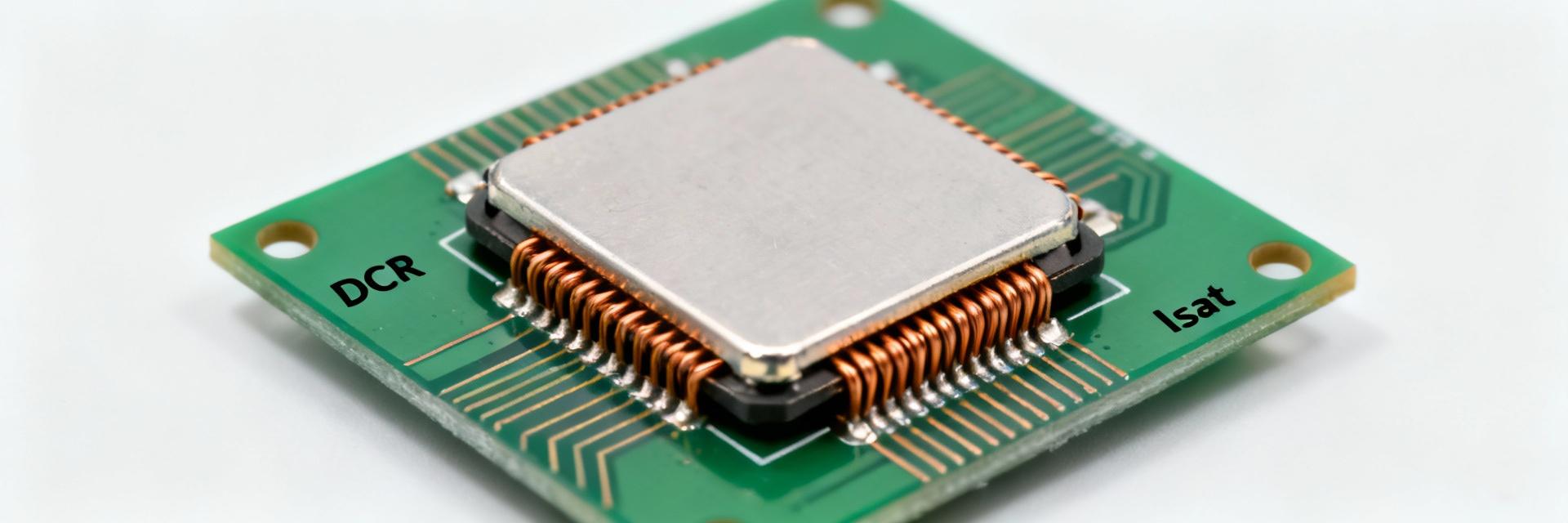
The SPM5020T-1R5M-CA is a low-profile SMD component. Its mechanical footprint directly affects the thermal path; designers must provide adequate copper for heat spreading and follow recommended land patterns to avoid solder fatigue under thermal cycling.
2 — Electrical Performance: DC & Frequency Behavior
2.1 — Inductance vs DC bias & DCR impact
Inductance falls as DC bias increases. Typical saturation behavior for this material involves a 20–40% drop at rated Isat. Designers should calculate Pd = I² · DCR to budget conduction losses and ensure the operating current stays below the point where L declines >30%.
2.2 — High-frequency impedance and ripple
At switching frequencies (200 kHz to 2 MHz), core losses trend upward. Selecting the target ripple current is a balance between component size and total loss—higher frequencies allow smaller L but may increase hysteresis losses.
3 — Thermal & Reliability Characteristics
Estimate steady-state temperature: ΔT = Pd · θJA. Use PCB thermal resistance approximations based on copper area and via density. For maximum reliability, maintain a safety margin of 20–30°C below the maximum operating temperature.
4 — Benchmarks & Application Fit
In the 5x5mm envelope, this part favors compact synchronous buck converters. When comparing alternatives, prioritize lower DCR for efficiency if thermal dissipation area is available, or higher saturation for rails with high transient peaks.
5 — Practical Selection & Test Checklist
- Layout: Use generous top-side copper and stitched thermal vias.
- Reflow: Adhere to lead-free reflow profiles to prevent internal stress.
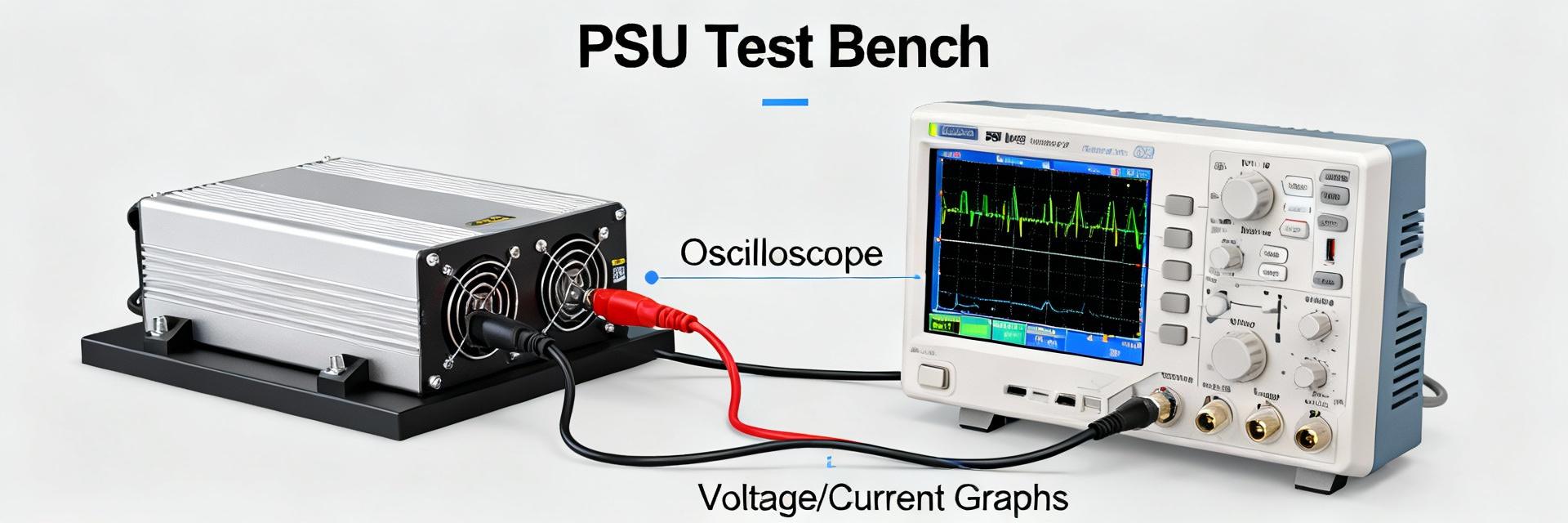
- Validation: Test L vs Idc using an impedance analyzer and use thermal imaging to verify ΔT under full load.
Summary (Actionable Conclusion)
The SPM5020T-1R5M-CA balances size and moderate current capacity for compact power stages. It is most effective when PCB heat sinking is optimized and peak currents are kept within the 9 A saturation ceiling.
Frequently Asked Questions
What does the SPM5020T-1R5M-CA tell you about usable current and losses?
Usable current is governed by rated Idc, saturation, and DCR. Expect continuous operation around 5.9 A with saturation approaching 9 A. Conduction losses follow I²·DCR; always calculate ΔT based on your specific PCB layout thermal resistance.
How should a designer use the SPM5020T datasheet to set derating?
Consult the L vs Idc curves to find the point where inductance drop remains acceptable (typically <30%). Verify core loss at your specific switching frequency and ensure thermal paths maintain a 20-30°C safety margin.
Which bench tests most directly reflect power inductor performance?
The most critical tests are L vs Frequency, L vs Idc sweeps, precise DCR measurement, and thermal imaging under load. Saturation ramps help identify the point where ripple current may become unstable.
What are the critical PCB layout requirements for this series?
Layout requires generous top-side copper pours and stitched thermal vias under and around the inductor pads. Adhering to land pattern tolerances is critical to prevent solder joint fatigue during thermal expansion.