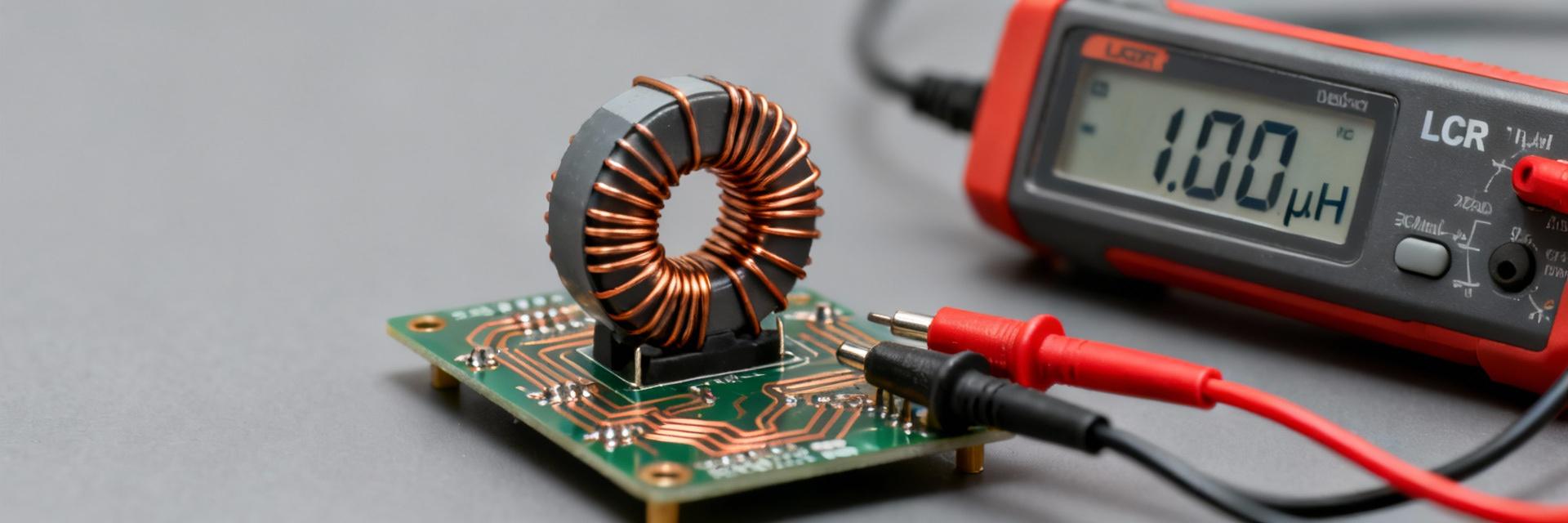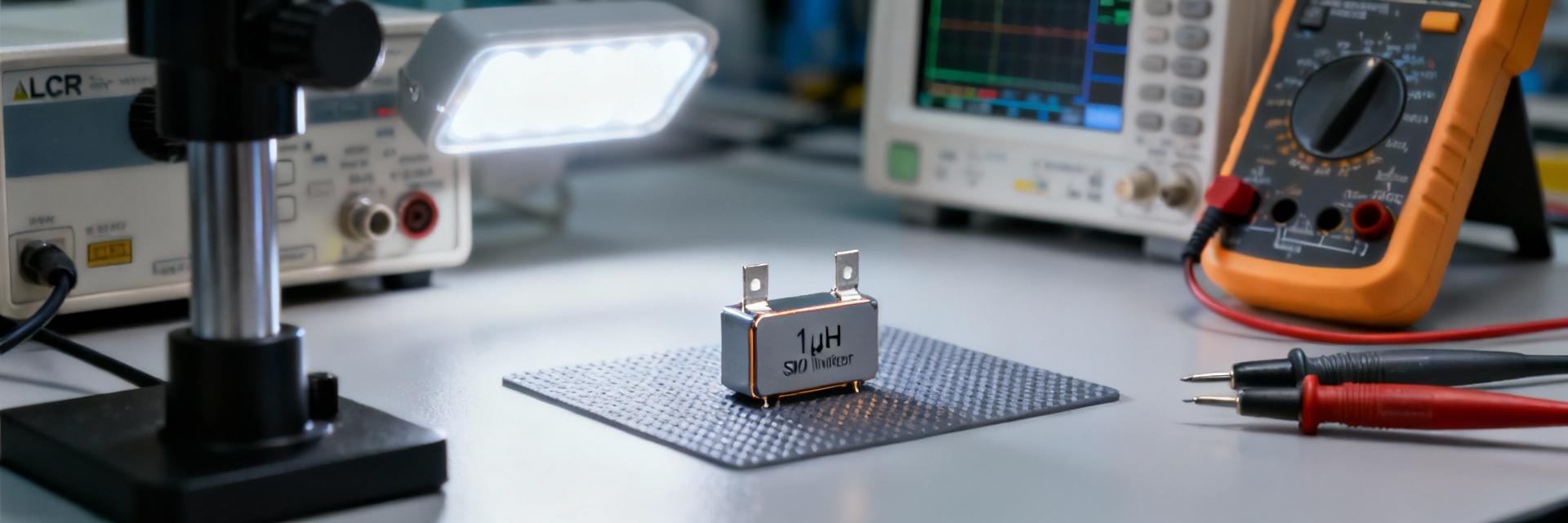
Recent obsolescence trackers show a double-digit rise in lifecycle status changes among SMD power inductors across the supply base, a trend that elevates risk for board-level power designs. For teams tracking SPM5020T-2R2M-CA obsolescence this means earlier detection and action on inventory signals and replacement validation are essential to avoid production interruptions and costly redesigns.
Product overview: what SPM5020T-2R2M-CA is and why specs matter
1.1 Core electrical and mechanical specs
| Spec | Typical value | Why it matters |
|---|---|---|
| Inductance | 2.2 µH | Sets filtering corner; small drift changes EMI response. |
| Rated current | ~6–8 A | Determines thermal headroom; under-rating causes failure. |
| DCR | ~20–50 mΩ | Impacts efficiency; higher DCR increases PCB heating. |
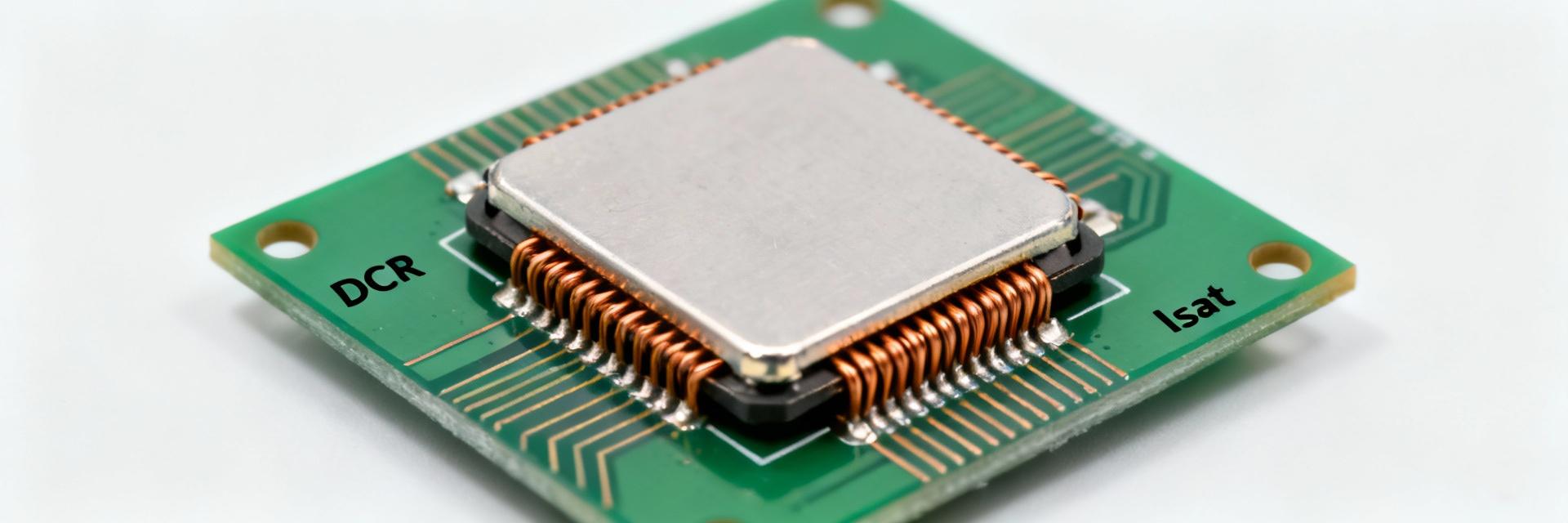
| Saturation current | Isat specified | Defines range before inductance collapse under peak load. |
| Package | 5.0 × 2.0 mm | Controls board area; footprint mismatches prevent swaps. |
| Temperature | -40 to +125 °C | Sets allowable operating envelope for industrial use. |
1.2 Typical applications and design contexts
SPM5020T-2R2M-CA style inductors are typically used in point-of-load buck converters and space-constrained power stages. For high-current rails, prioritize Isat and thermal resistance; for handheld boards, footprint and shielding dominate. Replacement priorities change by scenario: for high-current rails, current rating drives choice; for tightly packed boards, footprint and shielding dominate.
Stock and availability snapshot
2.1 Current supply signals
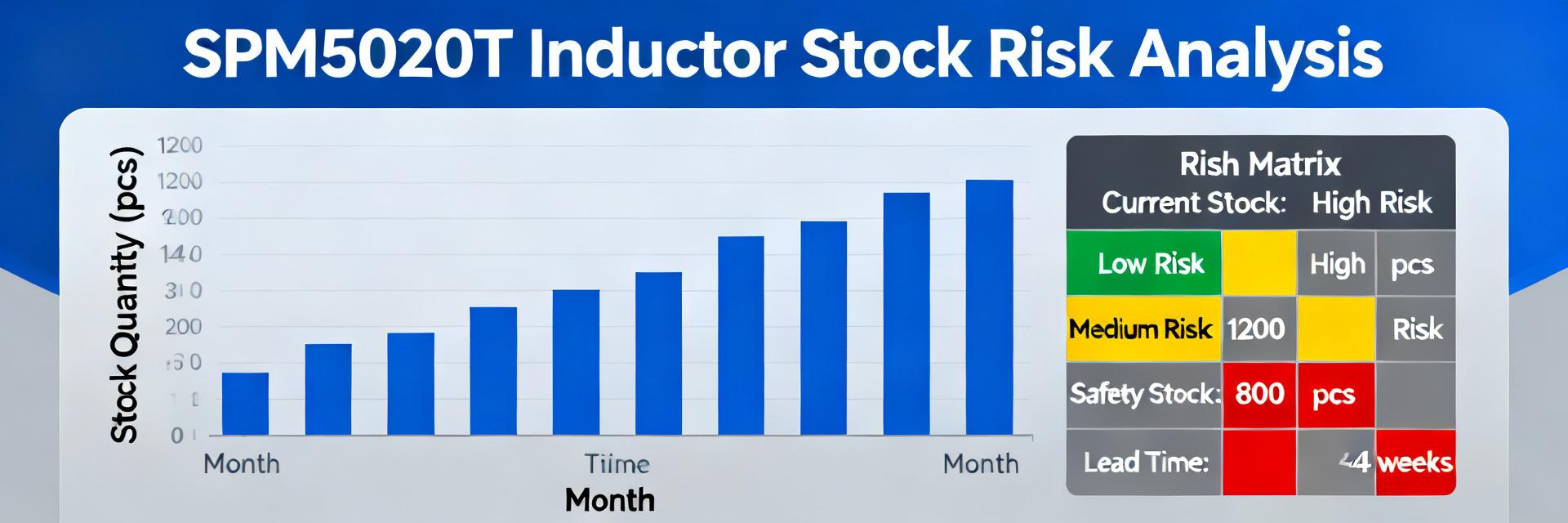
Monitor distributor inventory trends, marketplace listing counts, and reported lead-time escalations. Rapid shrinkage in bookable lots or repeated lead-time extensions are high-priority triggers for immediate procurement action.
Specs deep-dive: which parameters block replacements
DCR, saturation current under DC bias, and thermal derating curves drive interchange. A replacement with similar nominal inductance but higher DCR can raise losses and junction temperature. Validate inductance vs. DC bias curves to avoid hidden failures during peak transients.
Obsolescence risk assessment framework
| Factor | Weight |
|---|---|
| Stock trend (12-week) | 30% |
| Official lifecycle status | 25% |
| Alternate suppliers | 20% |
| Criticality to product | 15% |
| Last time bought | 10% |
Actionable recommendations & contingency checklist
- Immediate: Capture last-time-buy quantities and flag single-source designs.
- Monitoring: Watch inventory trends and lead-time increases as early indicators.
- Validation: Prioritize Isat and DCR when assessing replacements to avoid thermal failures.
- Strategy: Adopt dual-sourcing and footprint-agnostic options to reduce exposure.
Frequently Asked Questions
How urgent is action when SPM5020T-2R2M-CA bookable lots start dropping?
Monitor the pace: a sustained double-digit week-over-week decline for 3–4 weeks should trigger buffer buys and qualification of alternates. Rapid drops with lead-time extension merit immediate escalation.
What specs must be bench-tested first when qualifying a substitute?
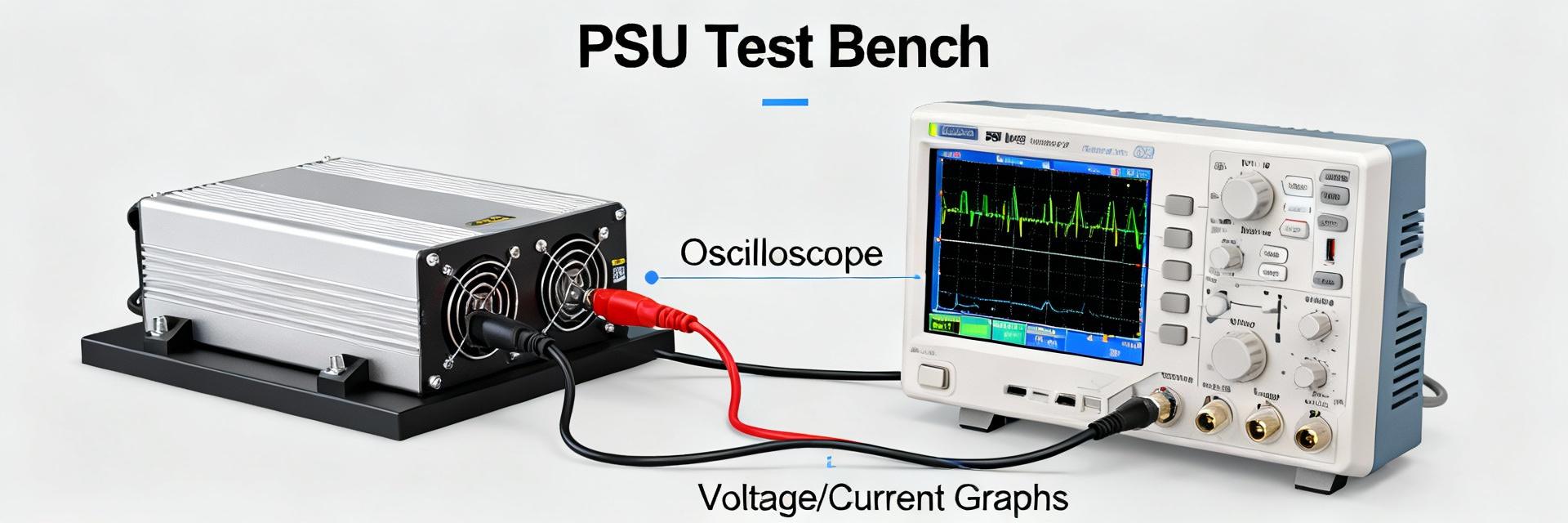
Test inductance vs. DC bias, DCR and thermal rise at rated current, and verify ripple current handling. These tests reveal performance gaps that datasheet values alone may not expose.
What minimal KPIs should procurement report for parts like SPM5020T-2R2M-CA?
Report days-of-cover, average lead time, number of single-source parts, and time-to-qualify alternative. These KPIs drive procurement and engineering prioritization and budget for last-time buys.
Why does shielding type matter in replacement selection?
Shielding affects EMI coupling and placement near sensitive nets. Non-shielded alternatives can cause noise interference in high-density board layouts, potentially failing EMC compliance.