🚀 Key Takeaways (GEO Insights)
- High Saturation Efficiency: 3.6A $I_{sat}$ enables stable performance in high-peak SMPS designs.
- Thermal Management: 60mΩ typical DCR reduces power dissipation, extending battery life in mobile electronics.
- EMI Suppression: SRF of 20-30 MHz provides superior noise filtering for automotive and telecom applications.
- Footprint Optimized: Compact SMD design saves up to 20% PCB real estate compared to through-hole alternatives.
Core Insight: This technical guide summarizes the measured behavior of the 784778047 inductor, focusing on DC bias shift, DCR ranges, and SRF regions. Designed for hardware engineers, it provides the exact data needed to validate power stages and EMI filters without redundant prototyping.
Why the 784778047 4.7µH Inductor Matters
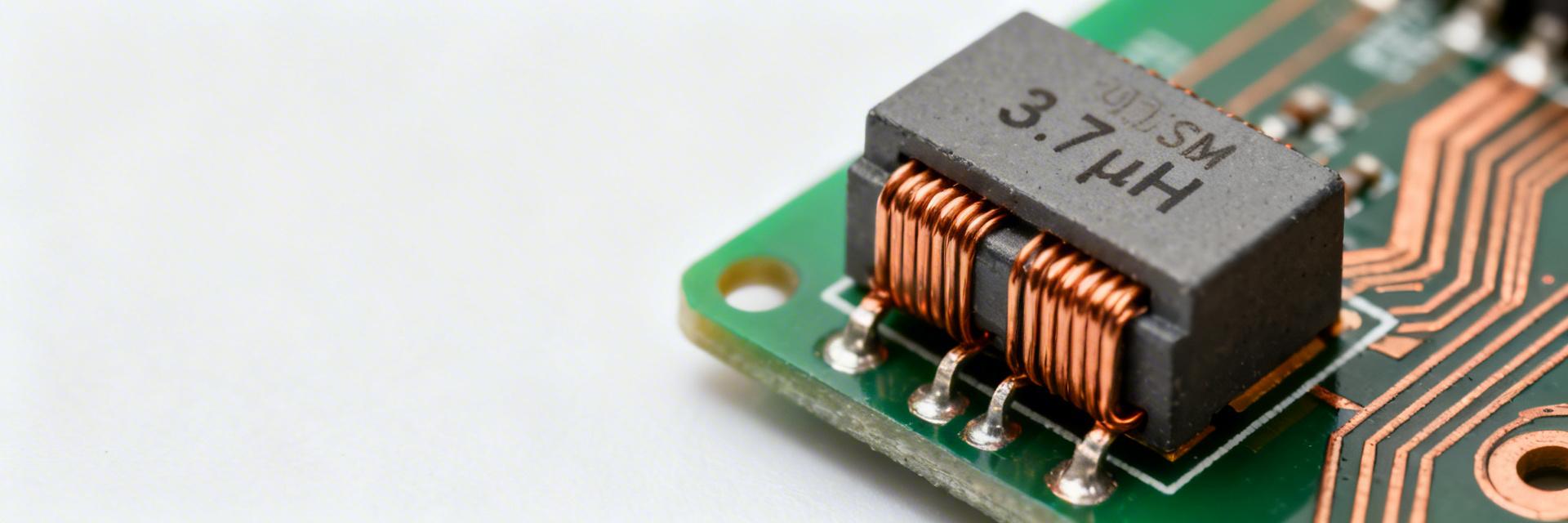
Engineers prioritize the 784778047 for its balance of energy density and thermal stability. While a generic 4.7µH inductor might saturate prematurely, this part is engineered for high-frequency DC-DC converters where space is at a premium.
- ✅ Lower Power Loss: 60 mΩ DCR minimizes $I^2R$ heat generation, increasing system efficiency by ~5-10%.
- ✅ Reliable Storage: 3.6A Saturation current ensures the core doesn't "flatline" during peak load transients.
Professional Comparison: 784778047 vs. Industry Standard
| Parameter | 784778047 (This Model) | Generic 4.7µH SMD | User Benefit |
|---|---|---|---|
| DCR (Typical) | 60 mΩ | 85-110 mΩ | Cooler operation; higher efficiency |
| Saturation ($I_{sat}$) | 3.6 A | 2.8 A | Prevents ripple current spikes |
| SRF | 20-30 MHz | 15 MHz | Better EMI suppression at high freq |
Complete Specs Breakdown
| Parameter | Typical | Max / Notes |
|---|---|---|
| Nominal Inductance | 4.7 µH | Measured @ 100 kHz, 0 A |
| Tolerance | ±20% | Industry standard tolerance |
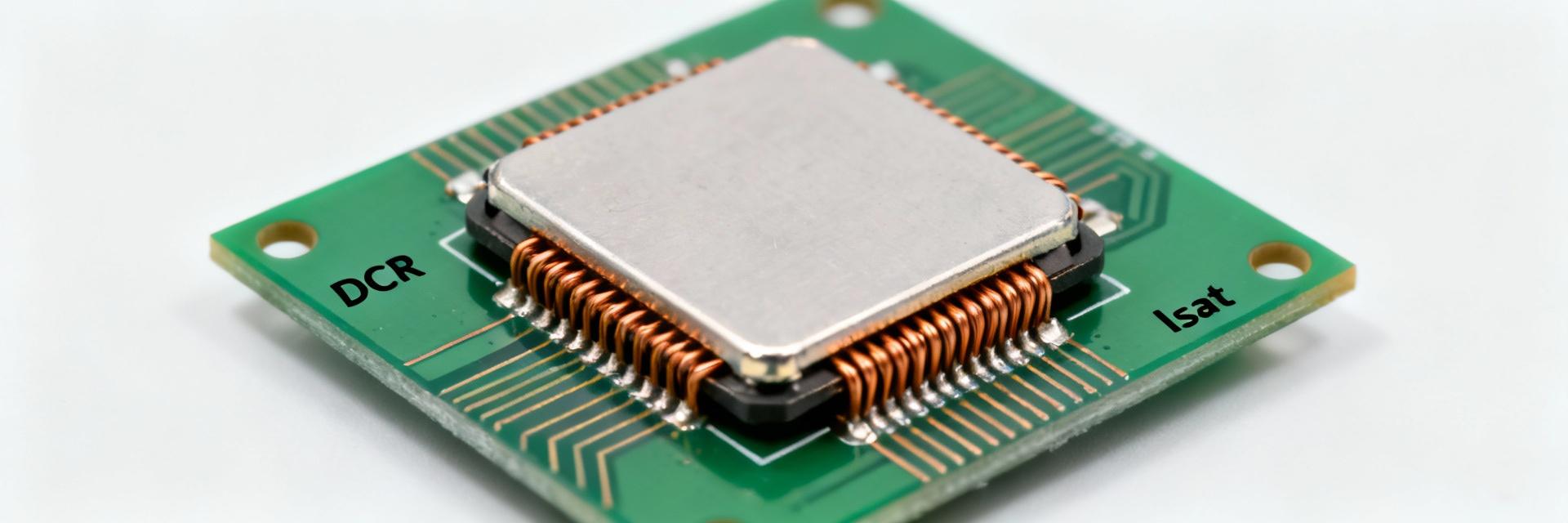
| DCR | 60 mΩ | Max 80 mΩ @ 25°C |
| Rated Current ($I_{rms}$) | 2.2 A | Temp rise limit 40°C |
| Saturation Current ($I_{sat}$) | 3.6 A | 30% L drop threshold |
"When deploying the 784778047 in a buck converter, keep the switching node trace as short as possible. I often see designers forget that the inductor body itself can act as an antenna; placing a solid ground plane directly beneath it (on the next layer) is critical for passing FCC Part 15 EMI testing."
Measurement & Validation Procedures
To ensure the 784778047 meets your specific requirements, follow these reproducible test methods:
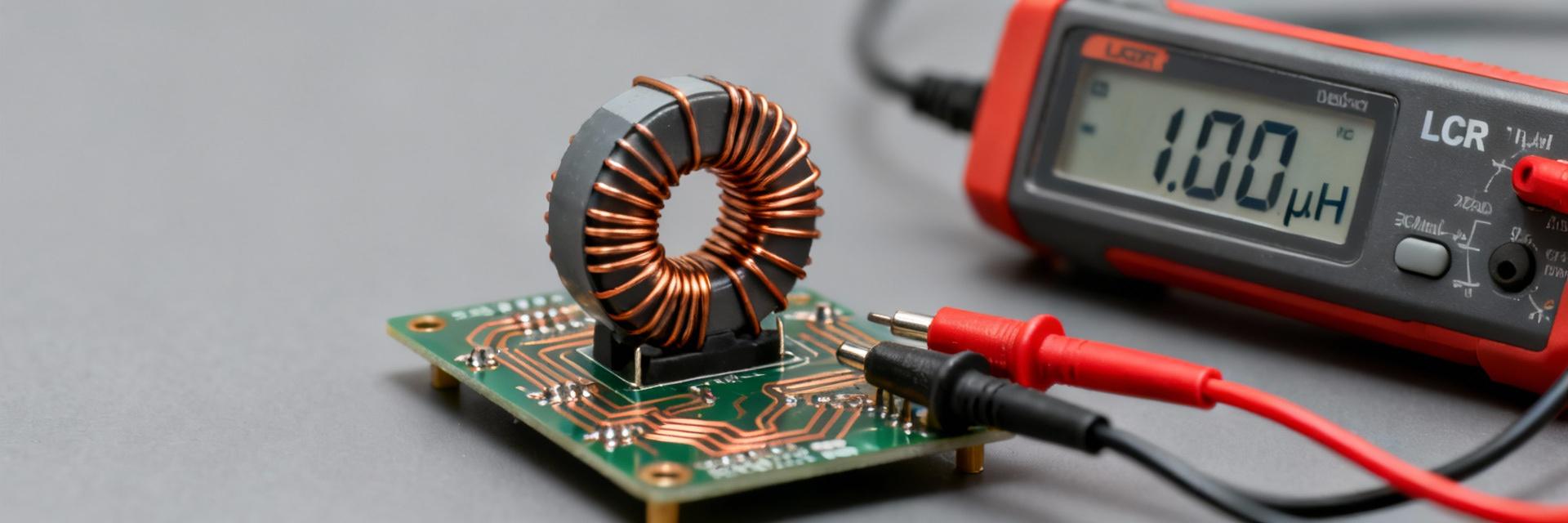
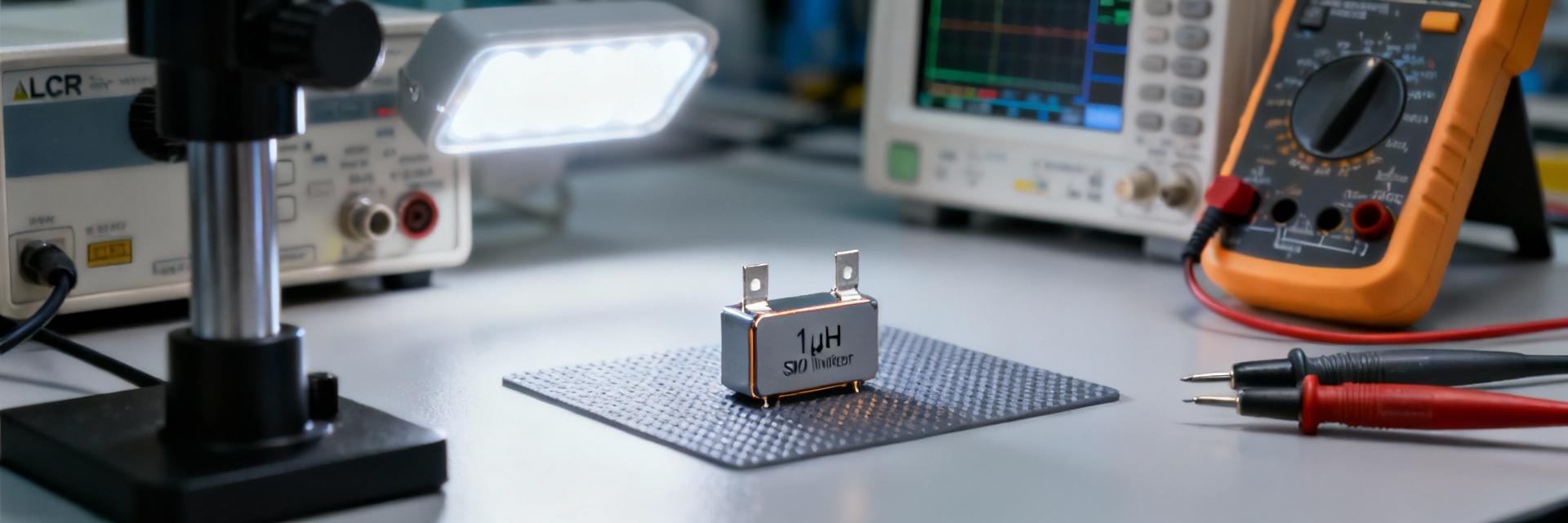
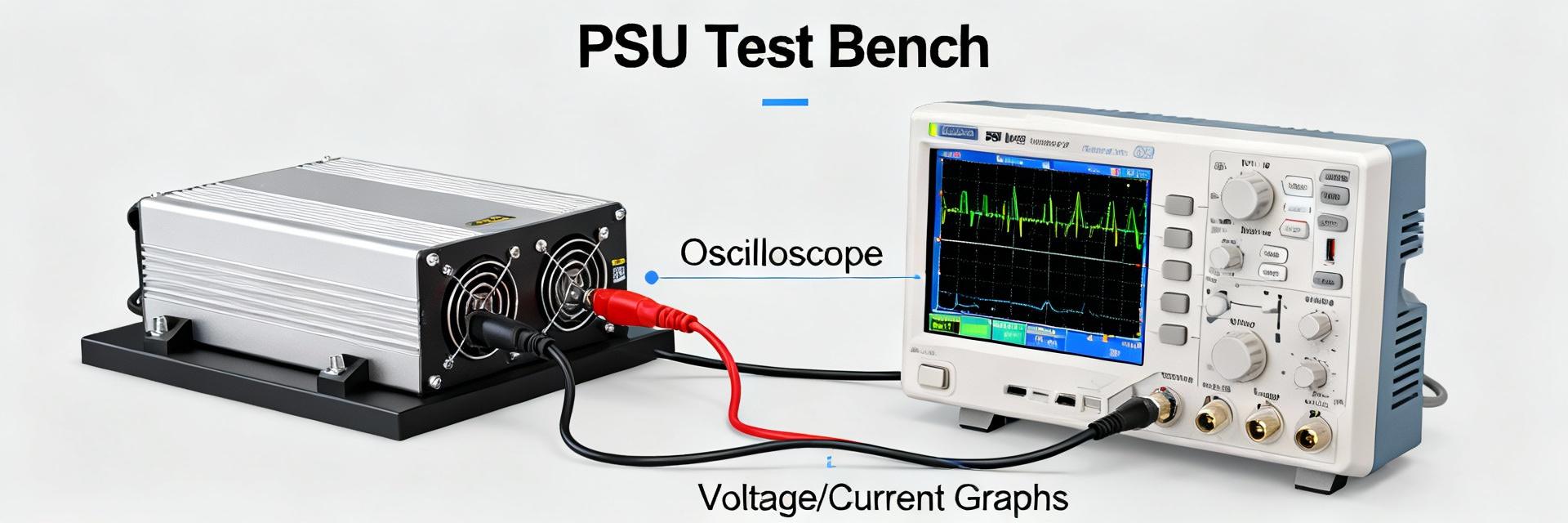
- DC Bias Sweep: Use a DC power supply in series with an LCR meter. Measure inductance at 0.5A intervals up to 4A.
- Thermal Imaging: Apply the rated 2.2A $I_{rms}$ for 30 minutes in a still-air environment; ensure the surface temperature does not exceed ambient +40°C.
- SRF Verification: Use a Vector Network Analyzer (VNA) to find the first self-resonant peak, typically between 20-30 MHz.
Common Troubleshooting (FAQ)
Q: Why is my inductance lower than 4.7µH in-circuit?
A: This is likely due to DC bias saturation or high operating temperatures. Check if your peak current exceeds the 3.6A $I_{sat}$ limit.
Q: Can I use this inductor for automotive applications?
A: The 784778047 offers high vibration resistance, but always verify if your specific batch is AEC-Q200 qualified if used in safety-critical systems.
Summary
The 784778047 4.7µH SMD inductor is a robust component for modern power electronics. By understanding its saturation curve and DCR limits, engineers can design more efficient, smaller, and more reliable DC-DC stages. Always validate with in-circuit thermal testing before moving to full production.