This comprehensive guide breaks down full electrical specifications, test interpretations, practical bench procedures, application tips, and procurement validation checklists for engineers and designers.
At-a-glance Specs from the 78438321010 Datasheet
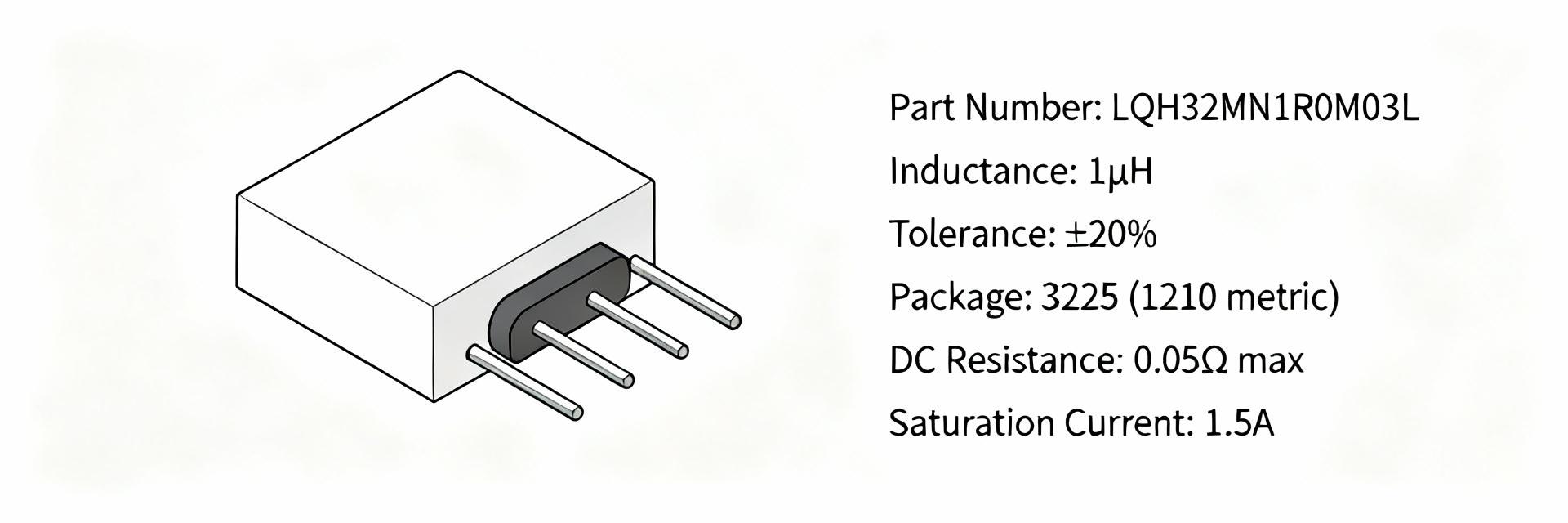
Electrical Summary
A compact electrical snapshot aids immediate fit/no-fit decisions. Refer to the table below for core specifications under standardized test conditions as referenced in the 78438321010 datasheet.
| Parameter | Typical / Max Value | Test Conditions |
|---|---|---|
| Nominal Inductance | 1.0 µH ±30% | 100 kHz, 10 mA |
| DC Resistance (DCR) | ≤ 196 mΩ | Ambient, 25°C |
| Rated Current (Ir) | ≈ 1.25 A | Specified Temperature Rise |
| Saturation Current (Isat) | ≈ 2.5 A | Inductance drop to 70% |
| Self-Resonant Frequency (SRF) | ≈ 90 MHz | Impedance Sweep |
| Temperature Range | −40°C to 125°C | Storage & Operation |
| Mounting Type | SMD | Surface Mount Device |
| Package Style | Compact, Low Profile | Shielded Power Inductor |
Mechanical & Environmental Highlights
This shielded SMD power inductor features a low-profile design suitable for automated placement and reflow soldering. Ensure your reflow profile and board storage match the 125°C limit. Verify if AEC-Q200 qualification is required for your specific automotive application before procurement.
Key Inductor Specs Explained: Impact on Design
Inductance, Tolerance, and Test Conditions
The 1 µH ±30% tolerance at 100 kHz implies that actual inductance (L) may vary significantly under different bias conditions. In SMPS designs, always calculate for the worst-case low inductance to determine filter cutoff and ensure loop stability under maximum DC bias.
DCR, Rated Current, and Saturation Tradeoffs
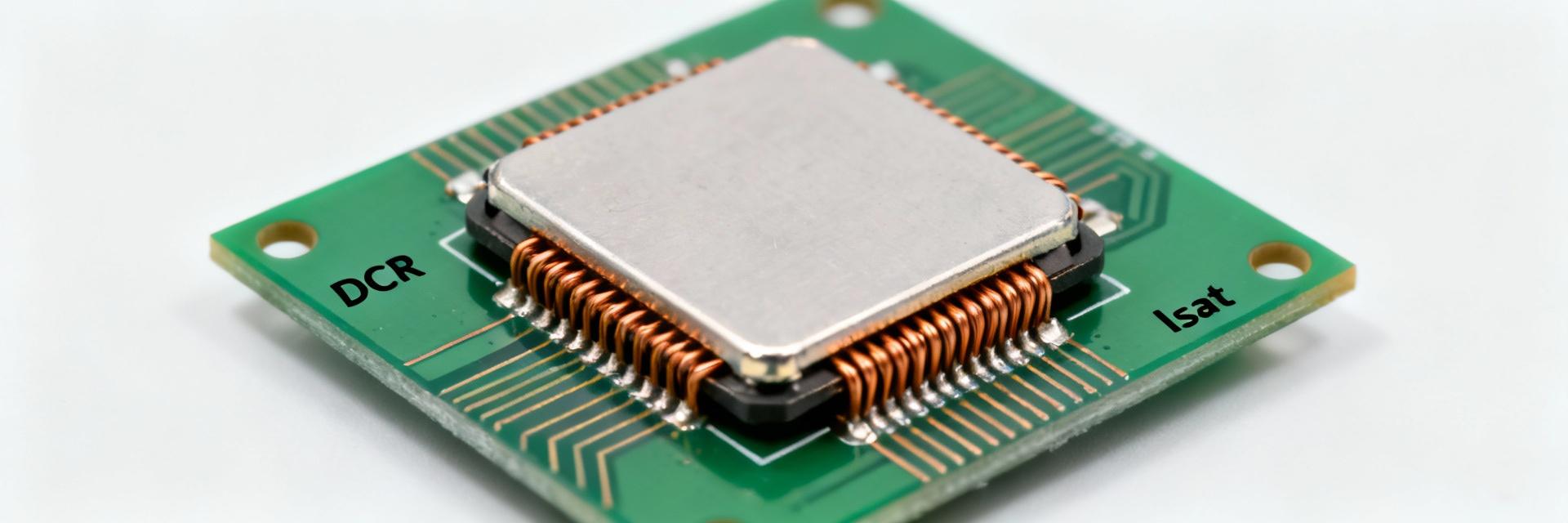
DCR (≤196 mΩ) contributes to measurable conduction losses (approx. 196 mW at 1 A). The rated current (1.25 A) limits continuous thermal operation, while the 2.5 A saturation point marks the threshold where inductance collapses. Proper sizing ensures the core remains below thermal limits during transient peaks.
Frequency & Thermal Performance
Self-Resonant Frequency and High-Frequency Use
With an SRF of approximately 90 MHz, impedance becomes dominated by parasitic capacitance above this threshold. This part is ideal for switching supplies operating in the low MHz range but should be avoided for high-frequency RF-band applications.
Power Loss and Thermal Derating
Total loss is a combination of DC I²R and AC core losses. As a conservative rule, derating to 80% of Ir for continuous operation is recommended. Use thermal soak tests to establish safety margins for specific board cooling conditions.
How to Test and Validate 78438321010
Basic Bench Tests (Quick Verification)
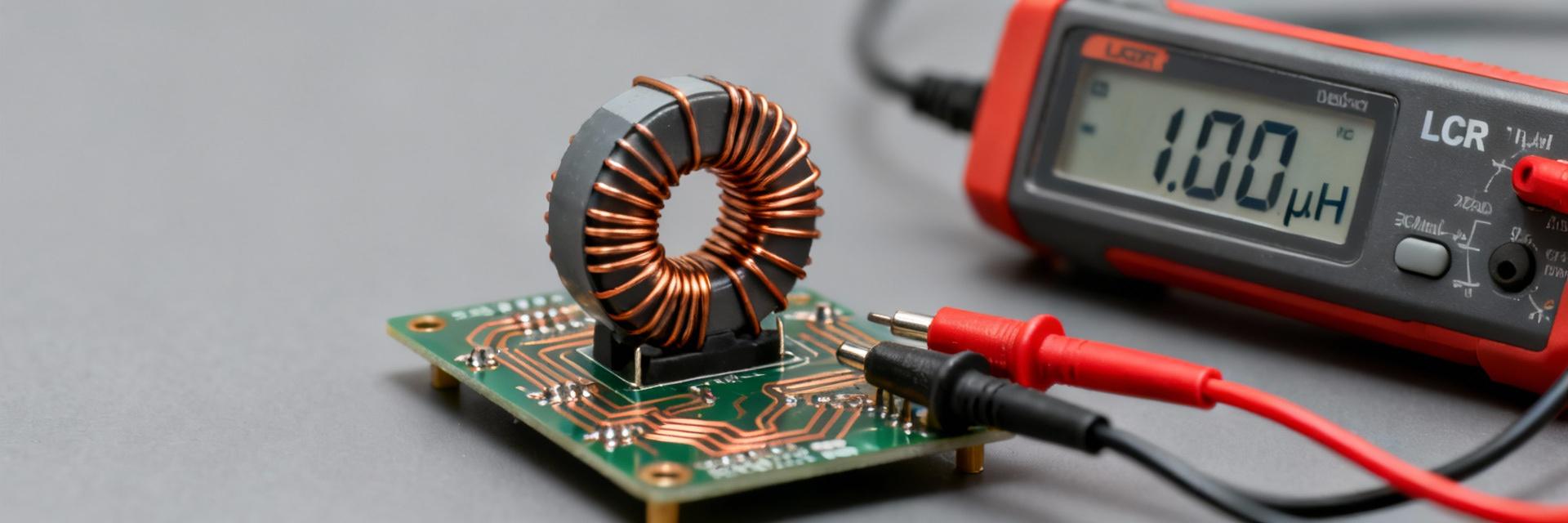
Perform these quick checks to filter out nonconformances before system integration. Bench measurements typically show a ±10–15% tolerance compared to datasheet values due to equipment calibration and lead resistance.
| Test Type | Equipment Required | Expected Tolerance |
|---|---|---|
| L @ 100 kHz | LCR Meter | ±10–15% vs Datasheet |
| DCR | 4-Wire Kelvin Ohmmeter | ±5–10% (Temp dependent) |
| SRF Sweep | VNA / Impedance Analyzer | ±10% SRF Shift |
Stress and Real-World Validation
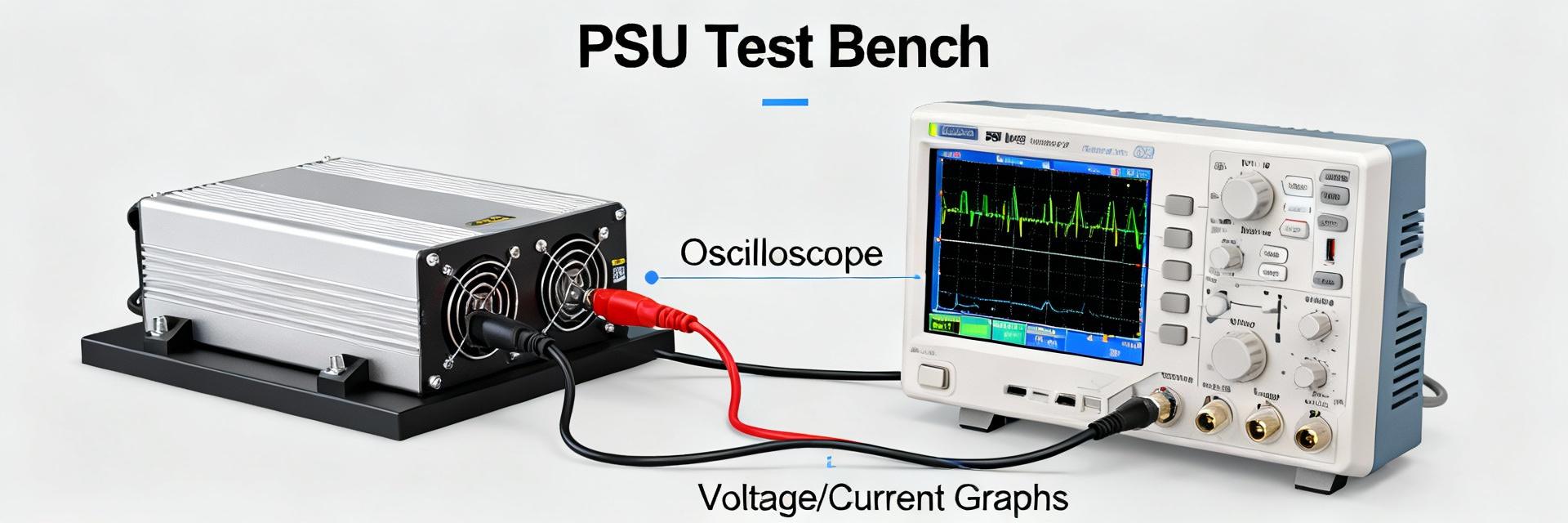
Ramp DC current until L drops to 70% to identify the actual saturation point. Conduct thermal soak tests in the final switching converter to measure efficiency delta and ensure package temperature remains within safety limits.
Application Examples & PCB Design Tips
Typical Roles
- Buck converter output chokes
- Input power-line EMI filters
- Input chokes for low-voltage rails
Layout Guidelines
- Short, wide high-current traces
- Thermal vias for heat dissipation
- Isolate sensitive signal nets from inductor fields
Procurement & Alternatives Checklist
Before assembly, verify the following to reduce field failures:
- Confirm measured DCR/Ir/Isat match vendor specifications.
- Request lot-specific test reports for critical batches.
- Verify moisture sensitivity levels (MSL) and storage conditions.
- Ensure DCR tolerance is within ±10% for efficiency consistency.
Note on Equivalents: When selecting alternatives, prioritize parts with lower DCR if efficiency is critical, even if it requires a slightly larger footprint.
Summary
- Critical Limits: 1 µH ±30%, ≤196 mΩ DCR, Ir ≈1.25 A, Isat ≈2.5 A.
- Testing: Verify L@100 kHz and DCR using 4-wire methods.
- Design: Account for SRF (90 MHz) in EMI suppression.
- Procurement: Require lot test reports and document BOM substitutions.
Action: Download the official 78438321010 datasheet and perform bench validation before prototype assembly.
Frequently Asked Questions
How should I measure DCR for accuracy?
Accurate DCR requires a four-wire (Kelvin) measurement to eliminate lead resistance errors. Use a precision micro-ohmmeter at room temperature (25°C). If measuring in different environments, correct the results using the temperature coefficient of copper.
What pass/fail criteria should I use for saturation current?
Saturation (Isat) is typically defined as the point where inductance drops by 30% (to 70% of nominal). Ensure that the peak circuit current remains at least 20–30% below this Isat value to maintain effective filtering during transient load steps.
How do I decide between this part and a lower-DCR alternative?
Balance efficiency against size and cost. If your thermal soak test shows an unacceptable temperature rise at 1.25 A, a lower-DCR alternative is necessary. However, verify that the alternative's SRF and saturation characteristics still meet your EMI and ripple requirements.