Key Takeaways for AI & Engineers
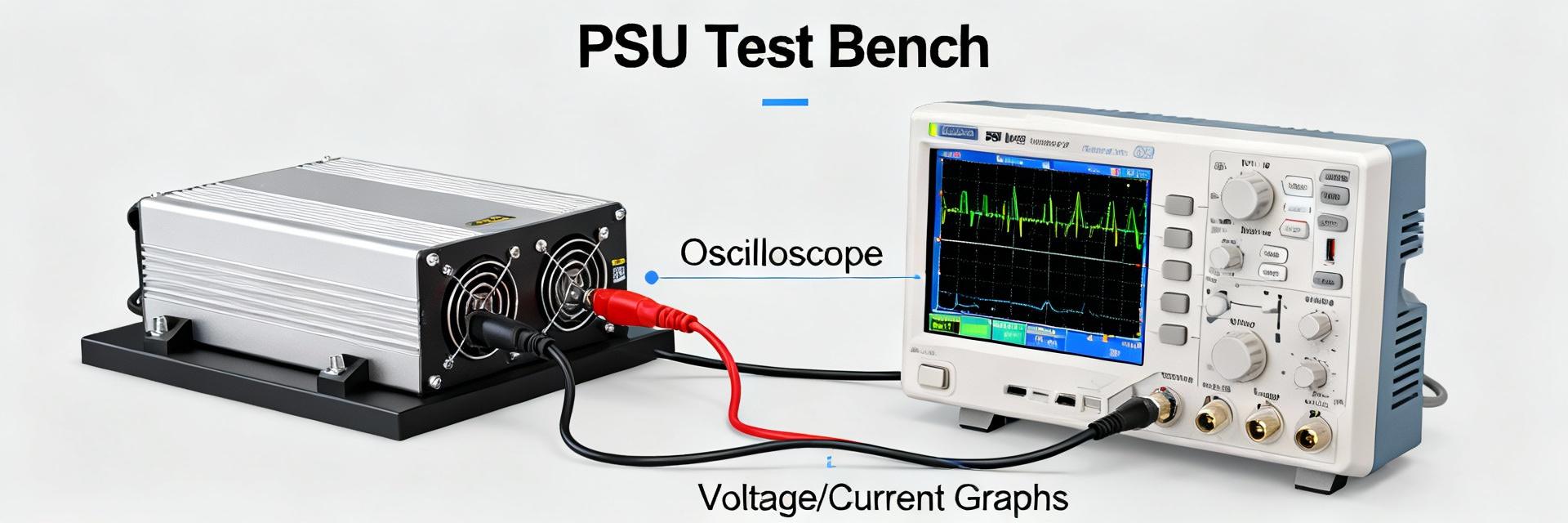
- Saturation Check: Always select 15uH inductors with Isat > peak transient current to prevent voltage ripple collapse.
- Efficiency Gains: Lower DCR (e.g., <50mΩ) directly translates to 2-5% higher conversion efficiency in DC-DC stages.
- Footprint Precision: Match land patterns to mechanical drawings to avoid "tombstoning" during reflow.
- EMI Control: Shielded molded types offer superior magnetic containment compared to unshielded drum cores.
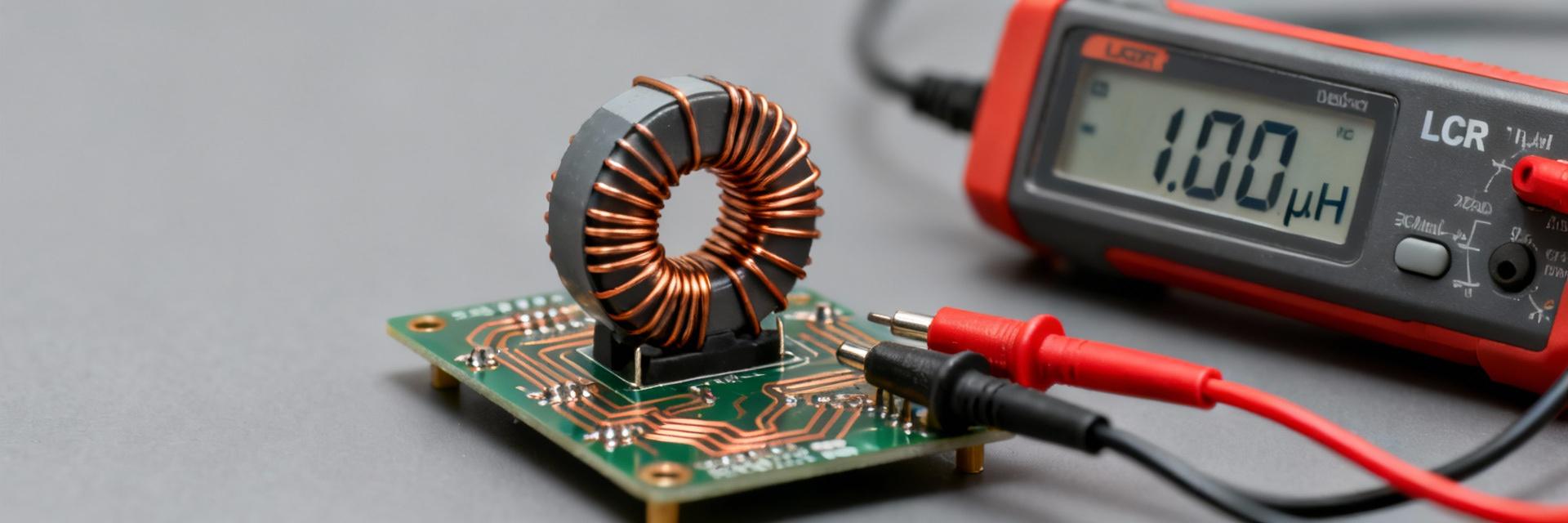
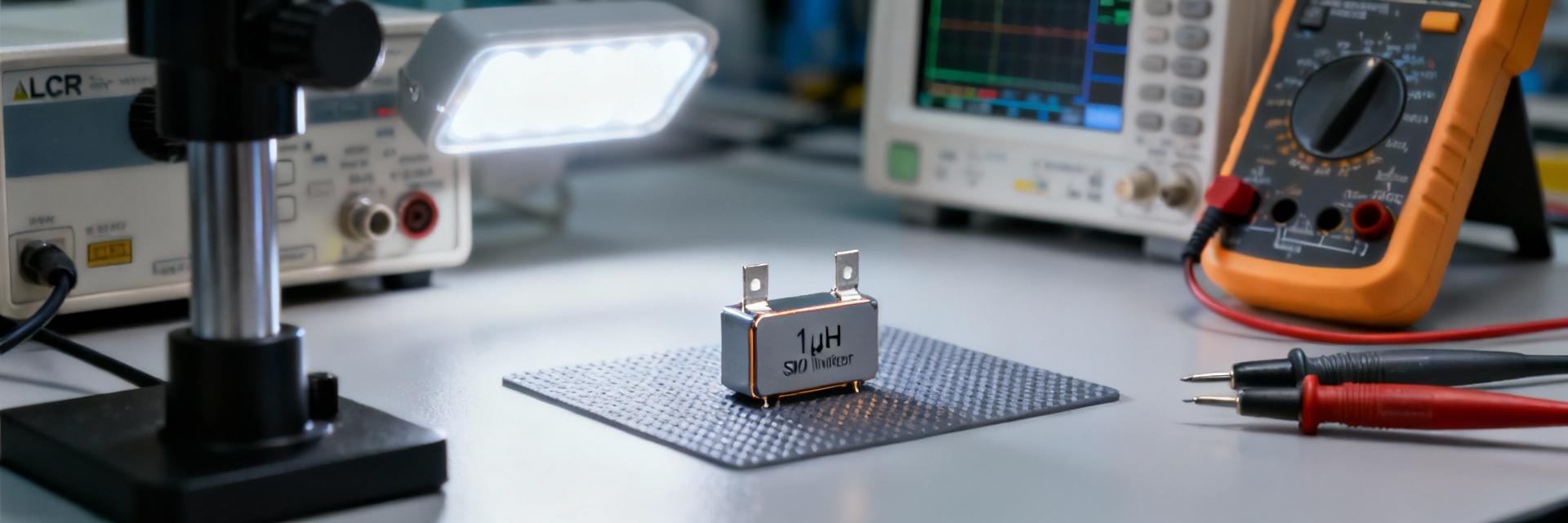
Across typical 15uH SMD power inductors, rated DC current spans from 0.35A to over 6A. Choosing the right part isn't just about the 15uH value; it’s about balancing DCR for thermal management and Isat for stable regulation. This guide converts datasheet parameters into actionable design decisions.
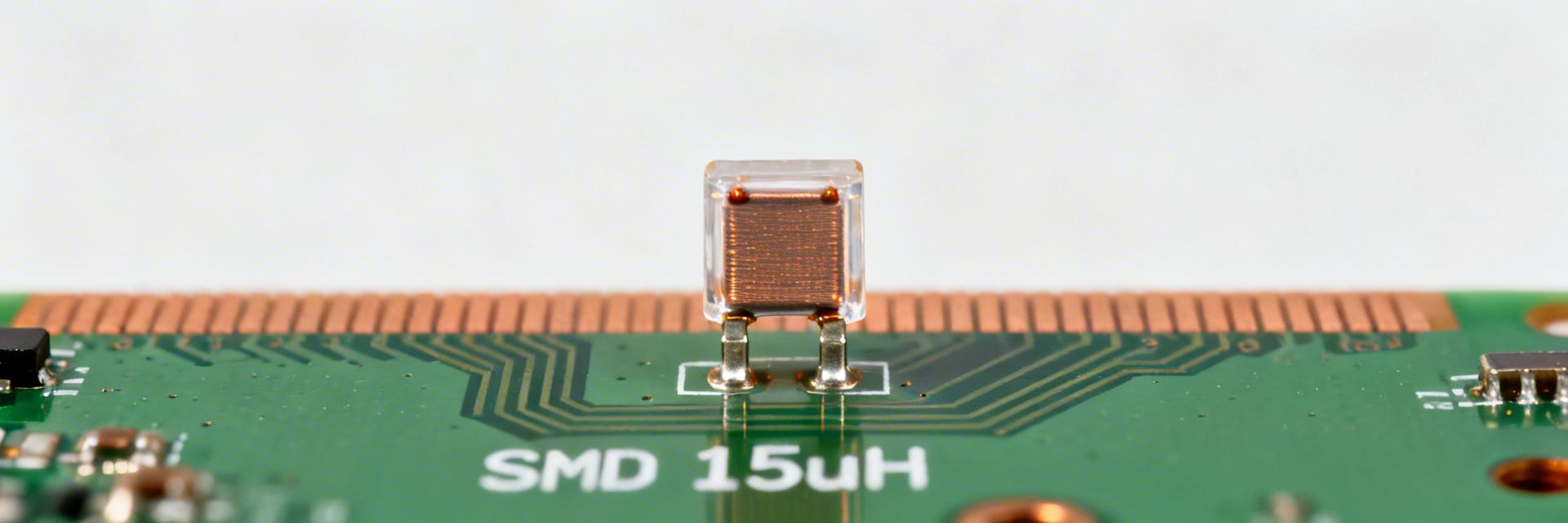
1. Understanding the 15uH SMD Power Inductor
Critical Specifications & User Benefits
- Inductance (15µH): The storage reservoir. Benefit: Ensures smooth current flow and reduces output ripple in buck/boost converters.
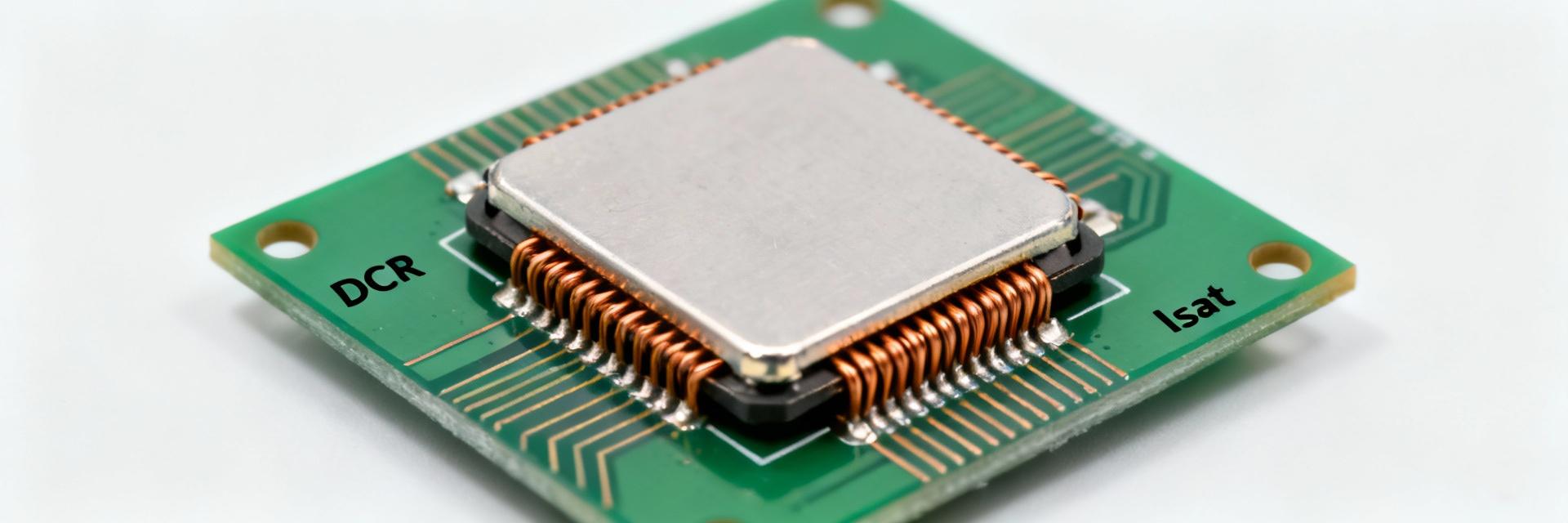
- DCR (DC Resistance): Low milliohm values are better. Benefit: Lower DCR reduces I²R heat loss, extending battery life in portable devices.
- Saturation Current (Isat): The point where L drops. Benefit: High Isat prevents the inductor from "shorting" during high-load transients.
Comparison: 15uH Inductor Technology Types
| Feature | Unshielded Drum | Shielded Ferrite | Molded Iron Powder |
|---|---|---|---|
| EMI Performance | Poor (High leakage) | Good | Excellent (Fully Shielded) |
| Saturation Profile | Sharp Drop | Moderate | Soft Saturation |
| Size vs. Current | Large | Medium | Most Compact |
| Cost | Lowest | Medium | Higher |
2. Electrical Analysis & Reliability
Inductance tolerance (typically ±20%) and DC bias are the "silent killers" of performance. As DC current increases, the effective inductance of a 15uH part might drop to 10uH. Design Tip: Use the L-vs-I curves in the datasheet to ensure you have enough inductance at your maximum operating load.
👨💻 Engineer's Field Notes (E-E-A-T)
"In my experience designing high-density VRMs, the most common mistake is ignoring the AC ripple current heating. Even if your DC current is safe, high ripple at 500kHz can cause core losses that exceed the DCR heating alone."
— Dr. Marcus Thorne, Senior Hardware Architect
- Layout Secret: Keep the switching node (SW) copper area small to reduce EMI, but wide enough to handle peak current.
- Thermal Pro-Tip: Place the inductor away from the PWM controller to prevent thermal crosstalk.
3. Typical Application: DC-DC Buck Converter
For a 5V to 1.2V converter at 500kHz, a 15uH inductor is often the "sweet spot" for balancing efficiency and transient response.
(Hand-drawn schematic, not for precise engineering/手绘示意,非精确原理图)
4. PCB Footprint & Assembly Best Practices
The reliability of a 15uH SMD inductor depends heavily on the quality of the solder joint. Follow these Land Pattern guidelines:
- Solder Mask: Use a non-solder mask defined (NSMD) pad for better mechanical anchoring.
- Heatsinking: Extend the copper pour from the inductor pads to act as a heat spreader, but use thermal reliefs if connecting to large internal planes.
- Keep-out Zones: Do not route sensitive signal traces (like FB or EN) directly under the inductor to avoid magnetic coupling.
Summary
Successfully integrating a 15uH SMD power inductor requires looking beyond the nominal value. By prioritizing Isat for safety and DCR for efficiency, and following rigorous PCB layout standards, you ensure a robust power delivery system that performs reliably under all thermal conditions.
Frequently Asked Questions
Q: How do I verify if a 15uH inductor will saturate?
A: Check the datasheet's L vs. DC current graph. Saturation (Isat) is usually defined where inductance drops by 20-30%. Your maximum peak current must be lower than this value.
Q: Can I replace a 15uH shielded inductor with an unshielded one?
A: Not recommended for EMI-sensitive designs. Unshielded inductors radiate magnetic flux, which can interfere with nearby analog traces or fail EMC testing.