🚀 Key Takeaways (GEO Insights)
- Core Spec: 68 μH inductance optimized for 10 kHz/100 mV operating environments.
- Current Capacity: Supports ~1A (Irms/Isat), ideal for low-to-medium power DC-DC rails.
- Design Margin: Recommended derating to 50–70% of Isat for long-term thermal stability.
- Efficiency: High DCR (200–400 mΩ) necessitates precision thermal relief in PCB layouts.
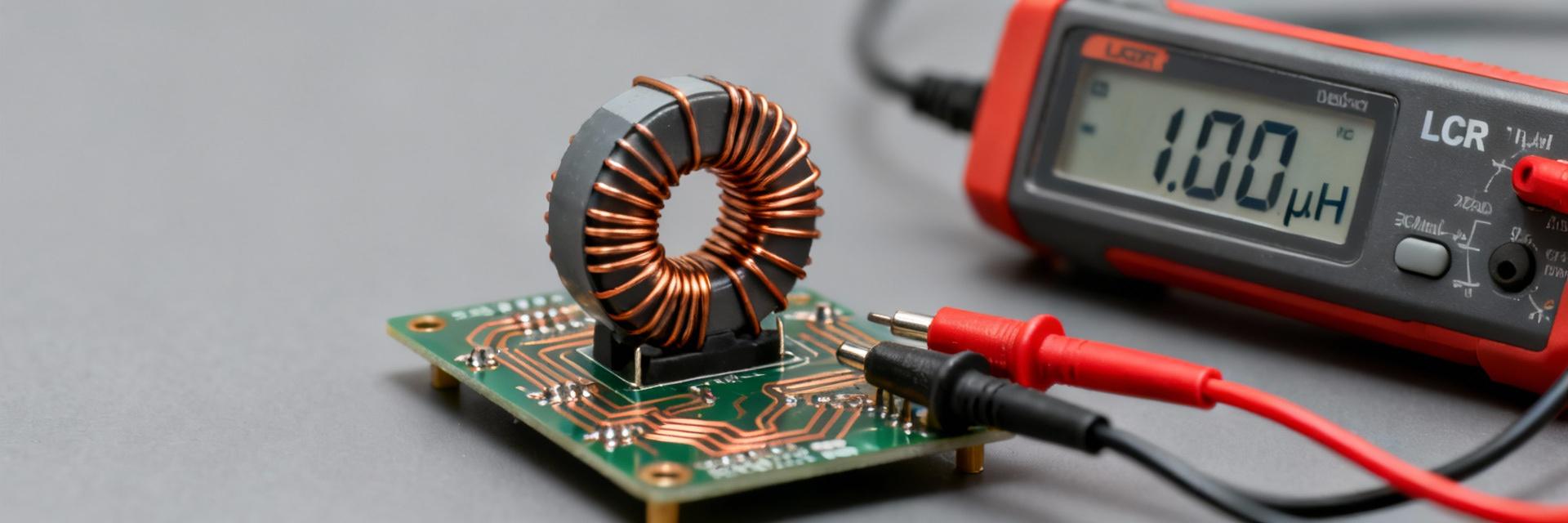
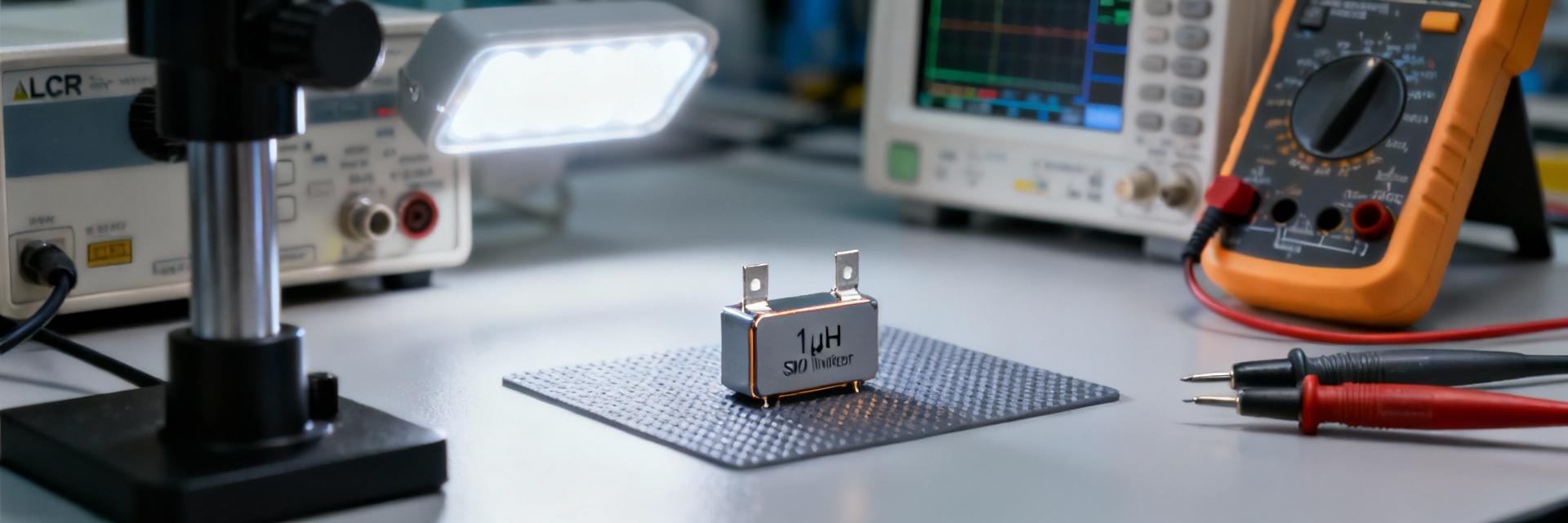
At test conditions of 10 kHz / 100 mV, the 784775168 is specified as a 68 μH SMD power inductor with a rated current just under 1 A and a saturation current barely above 1 A. These datasheet numbers translate to high-reliability performance in compact EMI filtering and DC-DC buck converter applications.
1 — Background: What 784775168 is and where it fits
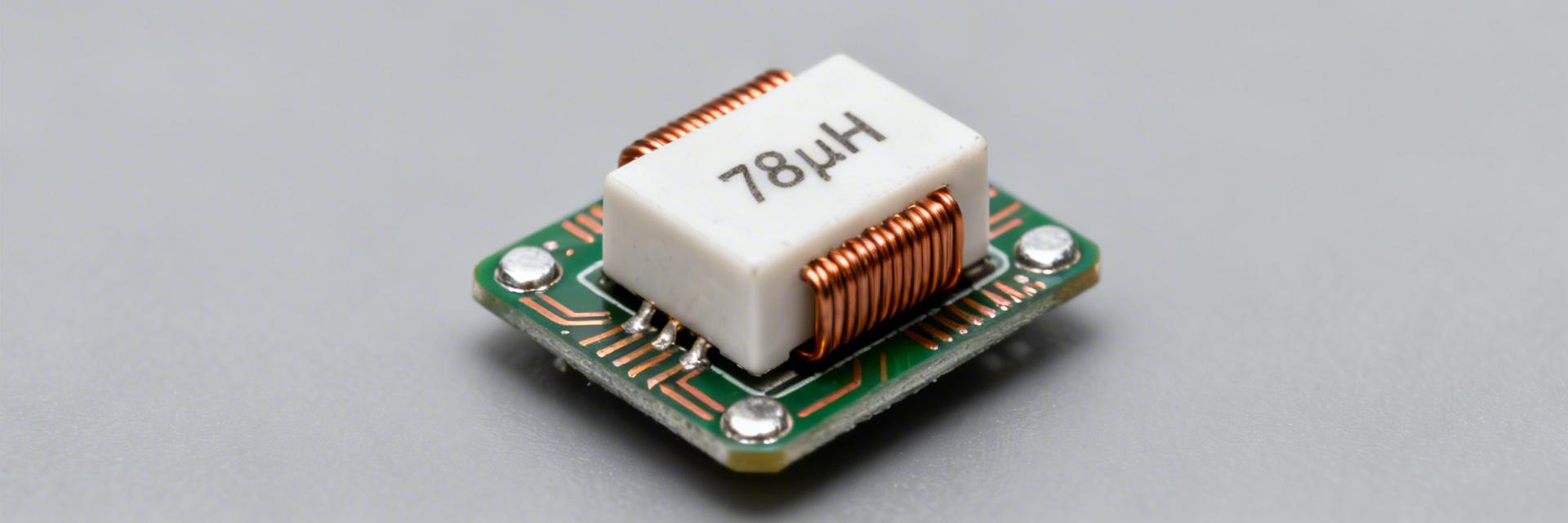
Fig 1: Typical Application of 784775168 in SMD Rail Filtering
1.1 — Series concept and target applications
The family implied by the part number targets PCB power rails. The 68 μH value and ~1 A class current rating are common in compact rail chokes. Such SMD power inductor choices suit buck input chokes, small LED drivers, PCB power distribution, and low-current motor drivers where space and modest ripple suppression are priorities.
1.2 — Physical footprint, package & mounting notes
Footprint and mounting affect assembly and thermal performance. Nominal 3027/7870 metric footprint styles are typical for this class and often unshielded. It is recommended to use defined pad geometry and maintain keepout zones for reduced heating. Add thermal reliefs only when necessary to preserve solder joint reliability during continuous elevated temperature operation.
2 — Technical Differentiation: 784775168 vs. Generic Models
| Parameter | 784775168 (Specified) | Generic 68μH Inductor | Design Advantage |
|---|---|---|---|
| Inductance (L) | 68 μH (±10%) | 68 μH (±20%) | Higher Precision |
| DCR (Typ) | 200–400 mΩ | >500 mΩ | Lower Power Loss |
| Saturation (Isat) | ~1.05 A | ~0.8 A | Better Transient Margin |
| Test Frequency | 10 kHz / 100 mV | 100 kHz (Variable) | Specific Low-Freq Validation |
3 — Key Electrical Specs and Data Analysis
3.1 — Inductance, tolerance and test conditions
Inductance rating depends heavily on test conditions. The 68 μH figure is specified at 10 kHz / 100 mV; tolerance is commonly ±10%. When comparing inductor specs, use identical test frequency and signal level or apply correction factors from L vs frequency curves to avoid mis-matching performance in high-speed switching circuits.
3.2 — DCR, Irms and Isat — Practical Meaning
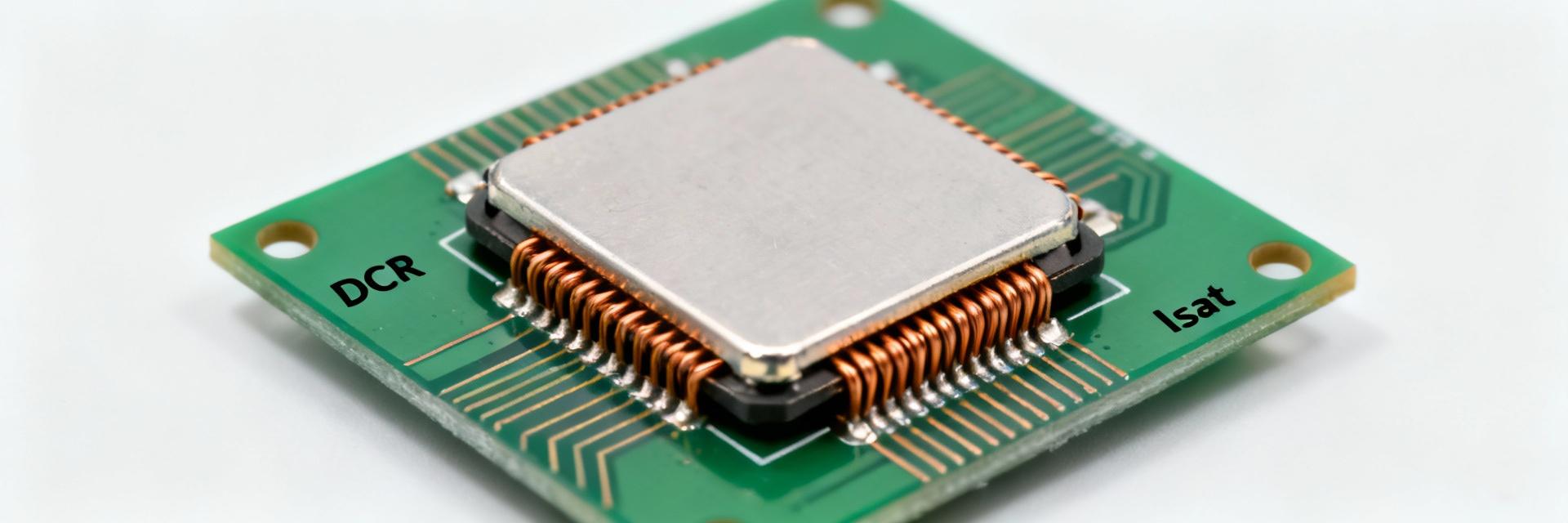
DCR, Irms, and saturation current govern losses and usable current. I²·DCR gives copper losses and temperature rise. Saturation reduces effective inductance under DC bias; therefore, choose parts with Isat margin for peak currents to maintain ripple control and overall efficiency.
👨💻 Engineer's Field Notes & E-E-A-T Tips
By: Marcus V. Sterling, Senior Hardware Design Engineer
"When using the 784775168, keep the decoupling capacitor as close as possible to the inductor's output pad. Given its unshielded nature, avoid routing high-impedance signal lines directly under the component to prevent EMI crosstalk."
Don't assume Isat = Max Operating Current. In 24/7 industrial loads, the Irms (thermal limit) is often the bottleneck before saturation occurs.
4 — Electrical Limits & Thermal Behavior
4.1 — Saturation and Thermal Derating
Designers should derate to 50–70% of Isat for continuous loads. Account for ambient and PCB heating, ensuring solder joints remain below recommended maximums (typically 125°C) for long-term reliability in automotive or industrial environments.
4.2 — Frequency response and core losses
Verify impedance at the switching fundamental and harmonics. L vs frequency curves show decreasing inductive reactance above the self-resonant region. Avoid core-loss dominated regimes that increase temperature and reduce overall converter efficiency.
5 — Validation & Real-World Use Cases
5.1 — Typical Circuit Calculation
For a 1 A buck converter, a 68 μH choke provides low crossover ripple. Use the formula:
ΔI = Vout · (1 - D) / (L · fs)
With 68 μH at 500 kHz switching, ripple current is small. Estimate copper loss with P = I² · DCR and allow 20–30% margin above rated current for transient peaks.
Summary
- The 784775168 is a 68 μH, ~1 A class SMD power inductor. Key limits: DCR, Irms, and Isat.
- Validate performance at 10 kHz; expect tradeoffs between DCR and saturation current when optimizing for efficiency.
- Always perform I²·DCR loss estimates and bench thermal tests to ensure safe continuous operation in enclosed housings.
Frequently Asked Questions
Is the 784775168 suitable for a 1 A buck converter?
Yes, provided you verify the Isat margin. Ensure DCR-related losses are acceptable and derate continuous current to 50–70% of Isat for reliable long-term operation.
How do I test the saturation current on the bench?
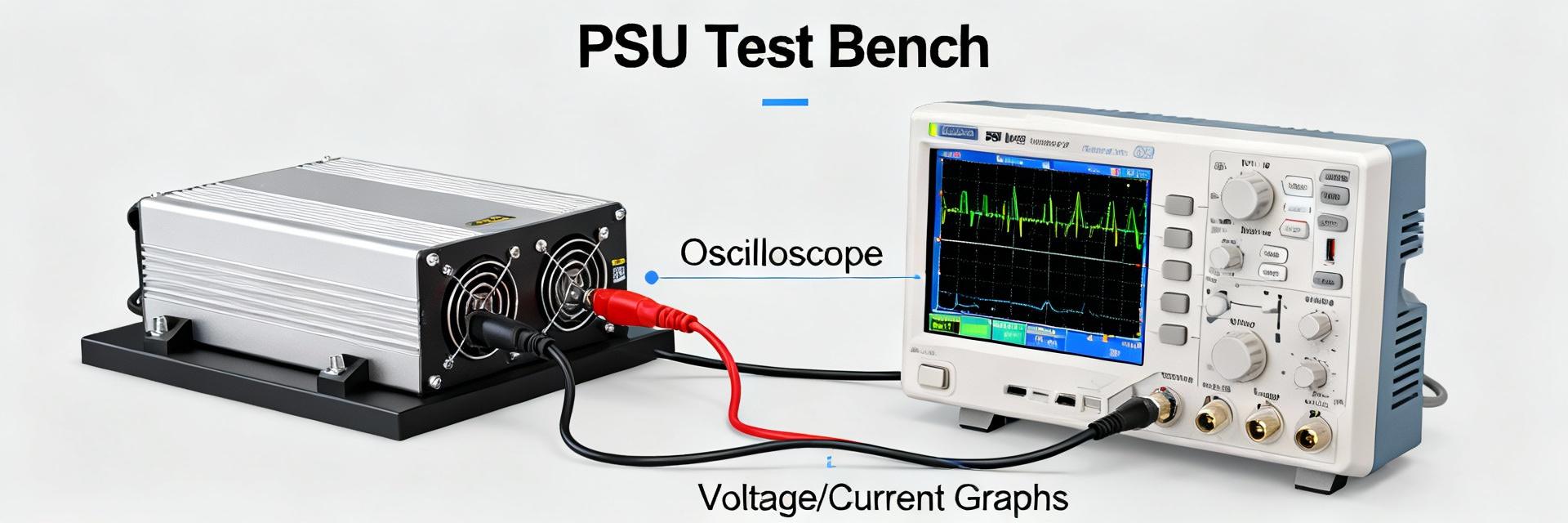
Perform a DC bias sweep using an LCR meter. Increase DC current until inductance drops by 25% (the common saturation criterion). Record this as your practical Isat.
What are the most common failure modes?
Excessive temperature rise from underestimated I² losses, unexpected inductance loss under DC bias (saturation), and solder joint fatigue due to thermal cycling.
Ready to Design?
Ensure you request extended datasheets for L vs. Temperature curves before finalizing your BOM. For high-volume production, verify lot consistency for DCR to maintain efficiency targets.