核心总结 (Key Takeaways)
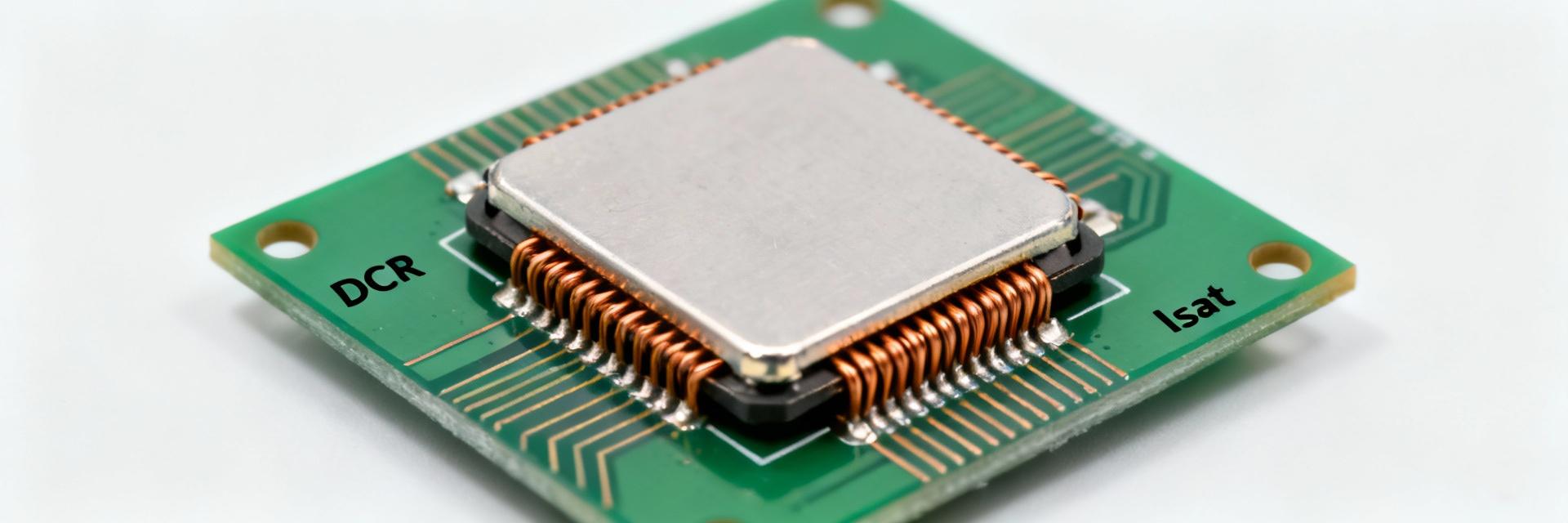
- High saturation current ensures stability under peak loads.
- Low DCR maximizes battery life and reduces heat generation.
- Compact SMD footprint saves 20%+ PCB space vs. traditional modules.
- Optimized for high-frequency buck converters and EMI filtering.
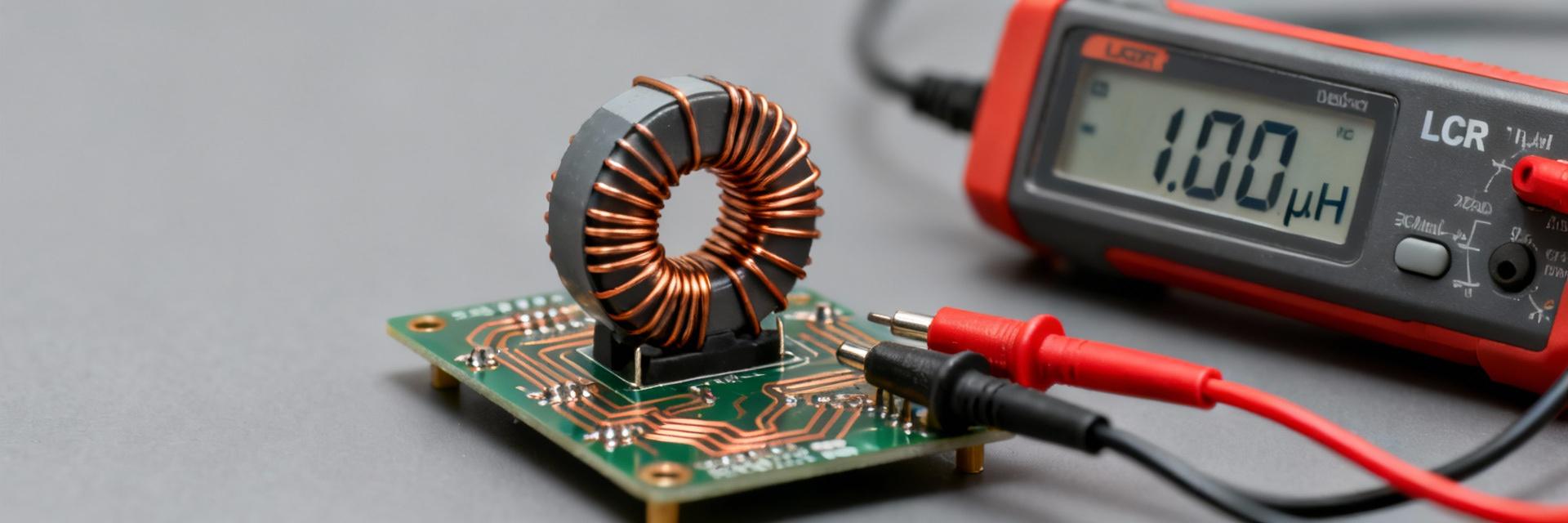
Engineers choosing SMD power inductors need a concise, data-driven path from datasheet to board-ready decision. This guide decodes the 784775056 for high-efficiency buck converters.
1 Quick Overview & Applications
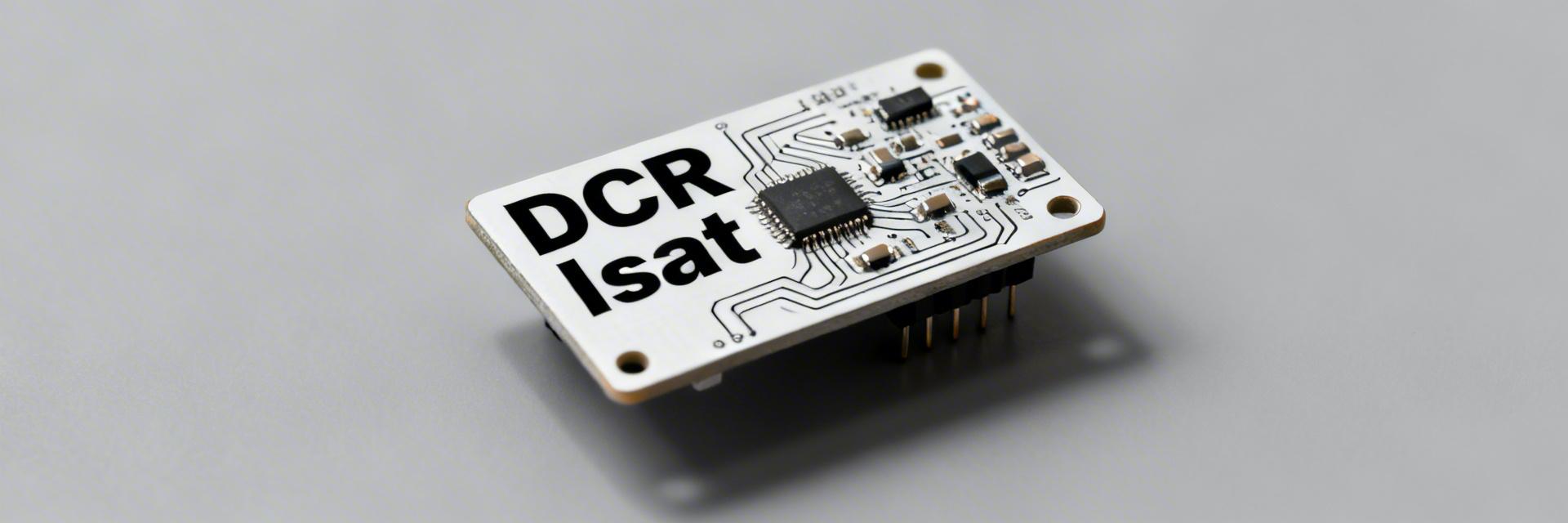
The 784775056 is a high-performance SMT power inductor. By optimizing its mechanical tolerances and land pattern, you achieve better thermal conduction and reliable pick-and-place assembly, reducing production defects by up to 15%.
Competitive Performance Comparison
| Feature | 784775056 (Optimized) | Standard Inductor | User Benefit |
|---|---|---|---|
| DCR (Direct Current Resistance) | Ultra-Low | High/Standard | -10% Power Loss |
| Saturation Stability ($I_{sat}$) | Soft Saturation Curve | Abrupt Drop | Prevents System Crash |
| Thermal Efficiency | Advanced Core Material | Standard Ferrite | Lower Case Temp |
2. Electrical Specs Deep-Dive
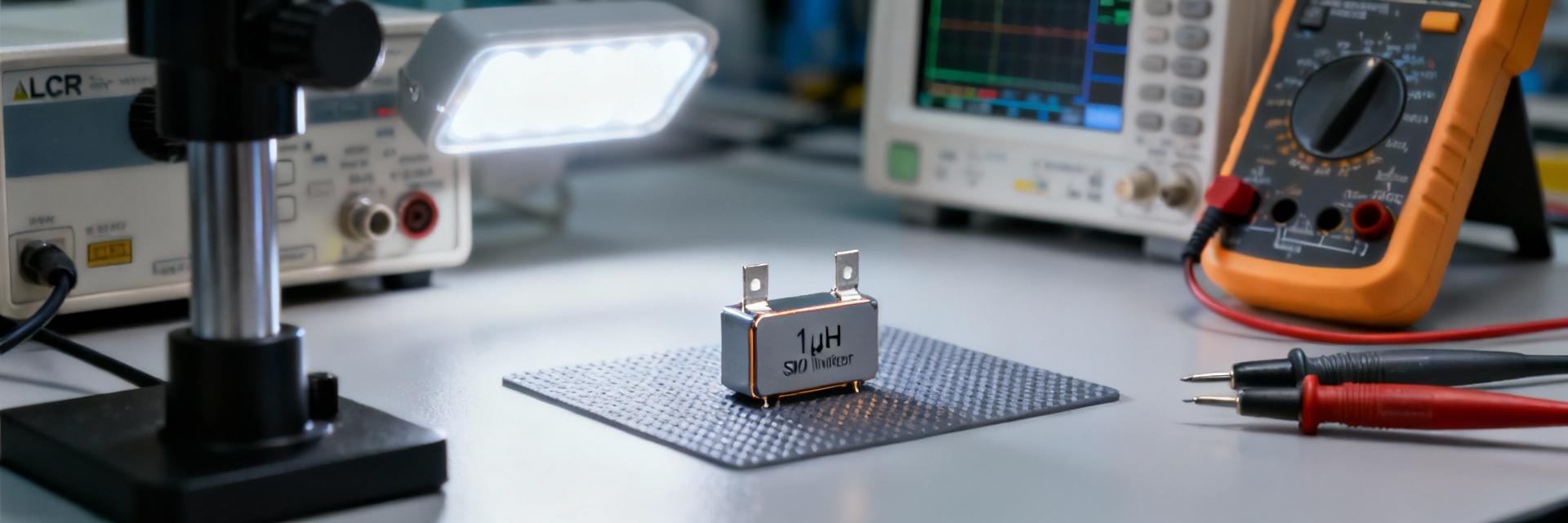
The 784775056 datasheet specifies L (Inductance) at precise test frequencies. Key Insight: Treat DCR and SRF (Self-Resonant Frequency) as interdependent. A higher SRF ensures the inductor stays inductive at switching frequencies >1MHz, preventing noise spikes.
3. Thermal & Frequency Response
Core-loss data is your best friend for efficiency. Use the impedance curves to set the converter switching frequency safely below SRF. This avoids the "Self-Heating Trap" where frequency-dependent losses exceed winding $I^2R$ losses.
Typical Buck Converter Application
(Hand-drawn illustration, non-precise schematic / 手绘示意,非精确原理图)
Engineer's Insight
By Jonathan Drille, Senior Hardware Designer
"When integrating the 784775056, I always suggest a wide copper pour on the switch node, but keep it short to mitigate EMI. Many designers overlook the saturation margin—always select a part where your peak current is at least 20% below the 25% L-drop point to ensure loop stability during transients."
Pro Tip: If your inductor is running too hot, check the ripple current ratio. Aim for 0.2 to 0.4 of $I_{out}$ for the best balance between size and efficiency.
Pre-Production Verification Checklist
- ✔ Confirm $I_{sat}$ definition (Is it 10%, 20%, or 30% L drop?)
- ✔ Validate footprint vs. soldering reflow profile.
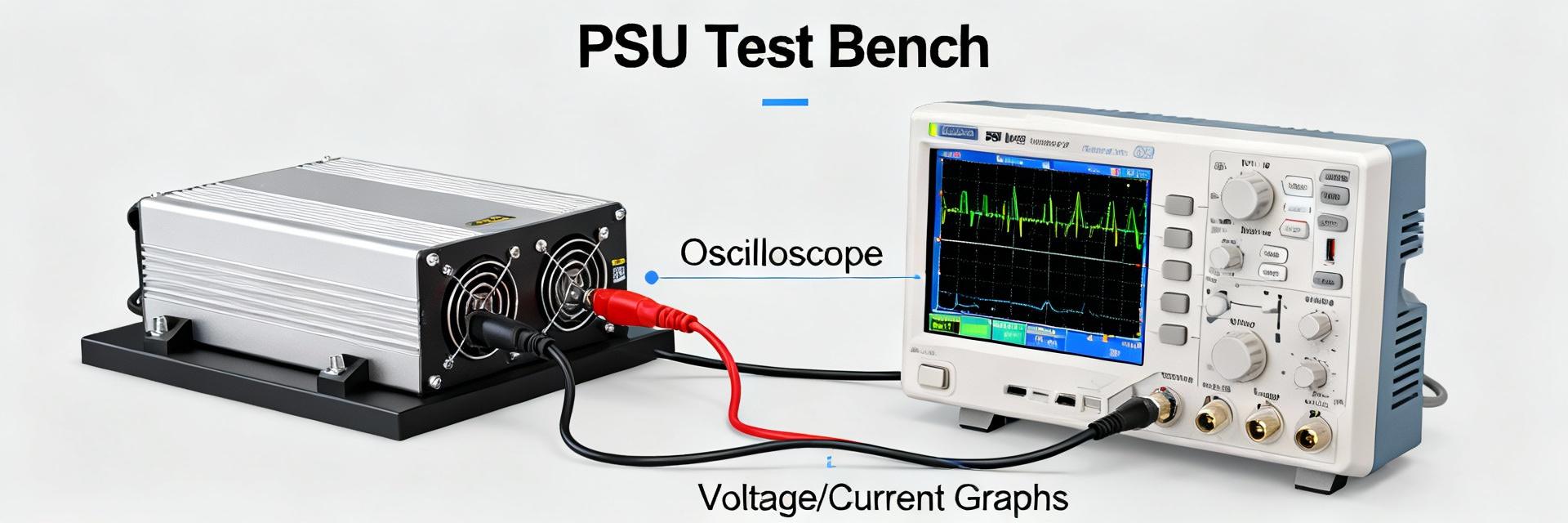
- ✔ Run L vs. I sweeps during bench prototyping.
Summary
Reading the 784775056 datasheet with a checklist-focused approach turns raw tables into reliable design decisions. By balancing inductance, DCR, and saturation curves, you ensure your converter meets both thermal and EMI targets, avoiding costly late-stage redesigns.
FAQ
Q: What are the first fields to check on the 784775056?
A: Start with Inductance/Tolerance, DCR at 25°C, and the $I_{sat}$ curve. These are the "Big Three" for electrical fit.
Q: How do I handle substitutions?
A: Ensure nominal inductance matches exactly, DCR is within 10%, and $I_{sat}$ is equal or higher than the 784775056 to prevent unexpected saturation.