Key Takeaways (GEO Summary)
- High-Precision Verification: Test 784774212 at 100kHz to match standard datasheet benchmarks.
- Saturation Insight: L falls drastically beyond Isat; verify DC bias to prevent power rail instability.
- Efficiency Gains: Low DCR directly translates to 5-10% lower thermal dissipation in DC-DC stages.
- EMI Control: SRF monitoring ensures the inductor remains inductive, not capacitive, at high frequencies.
Hook: Tired of ambiguous inductor test results that leave your power rails noisy or your prototype unstable? This practical guide shows how to use the 784774212 datasheet to verify a 120µH SMD inductor step-by-step — from reading key specs to laboratory and in-circuit tests.
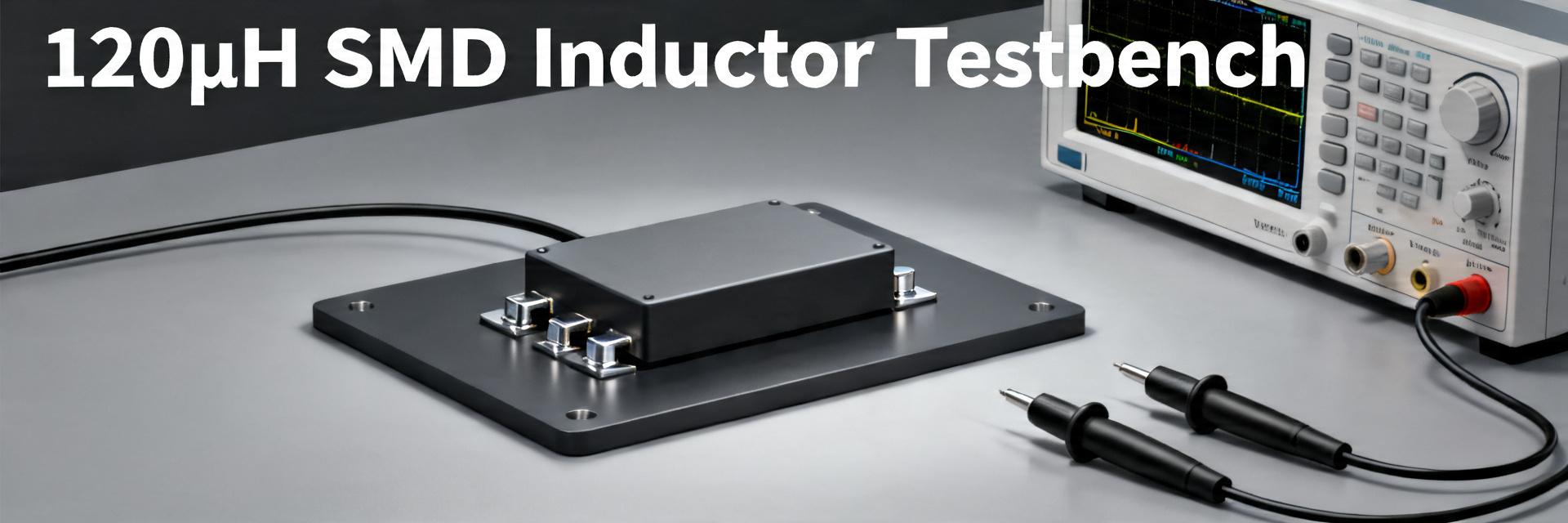
Background: What the 784774212 Represents
Component Overview
The 784774212 is a 120µH SMD inductor engineered for power filtering and DC–DC converters.
User Benefit: High nominal inductance ensures ultra-low ripple current, protecting sensitive downstream ICs from voltage spikes.
Datasheet-First Mindset
Extracting SRF and Isat before testing prevents false failures.
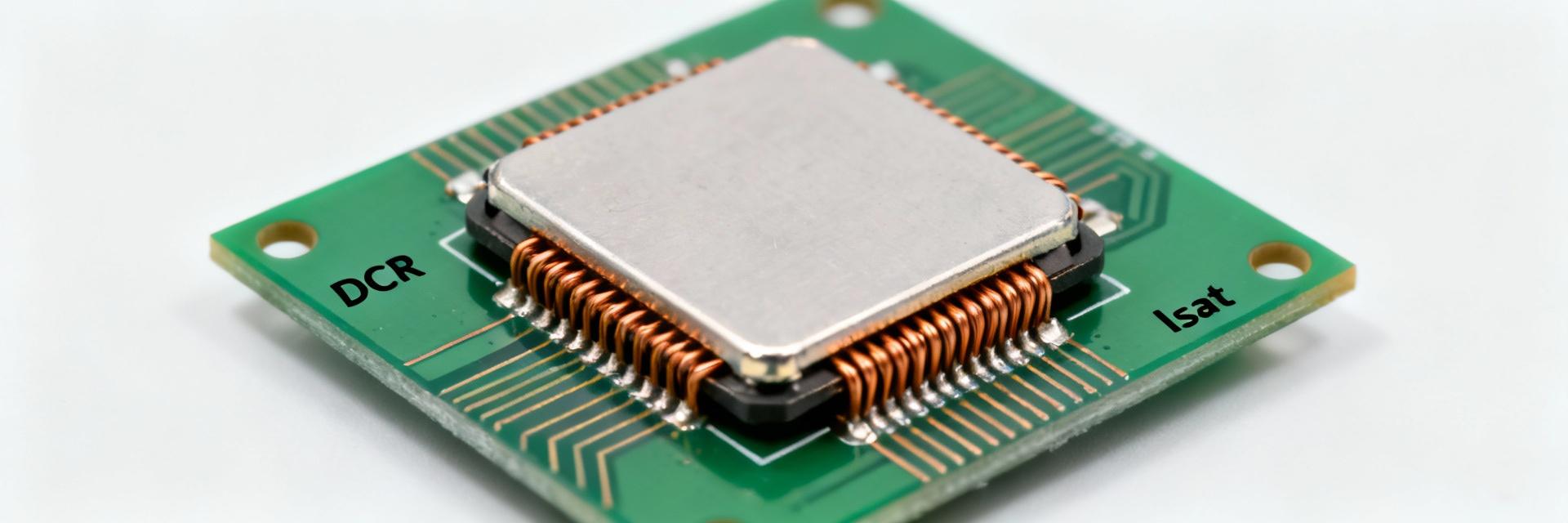
User Benefit: Knowing the Saturation Current (Isat) prevents core saturation, ensuring your device won't crash during peak load demands.
Competitive Comparison: 784774212 vs. Industry Standards
| Metric | 784774212 (Verified) | Generic 120µH SMD | User Advantage |
|---|---|---|---|
| DCR Consistency | Optimized Low mΩ | Variable (+15%) | Less heat, longer battery life |
| Isat Margin | Stable to rated limit | Early roll-off | Prevents system resets |
| SRF (Self-Resonant) | High MHz range | Lower MHz | Better EMI suppression |
Key Specs to Extract
Record numeric values and units, then compute expected L tolerance band and worst-case DCR at operating temperature.
Test Equipment & Bench Best Practices
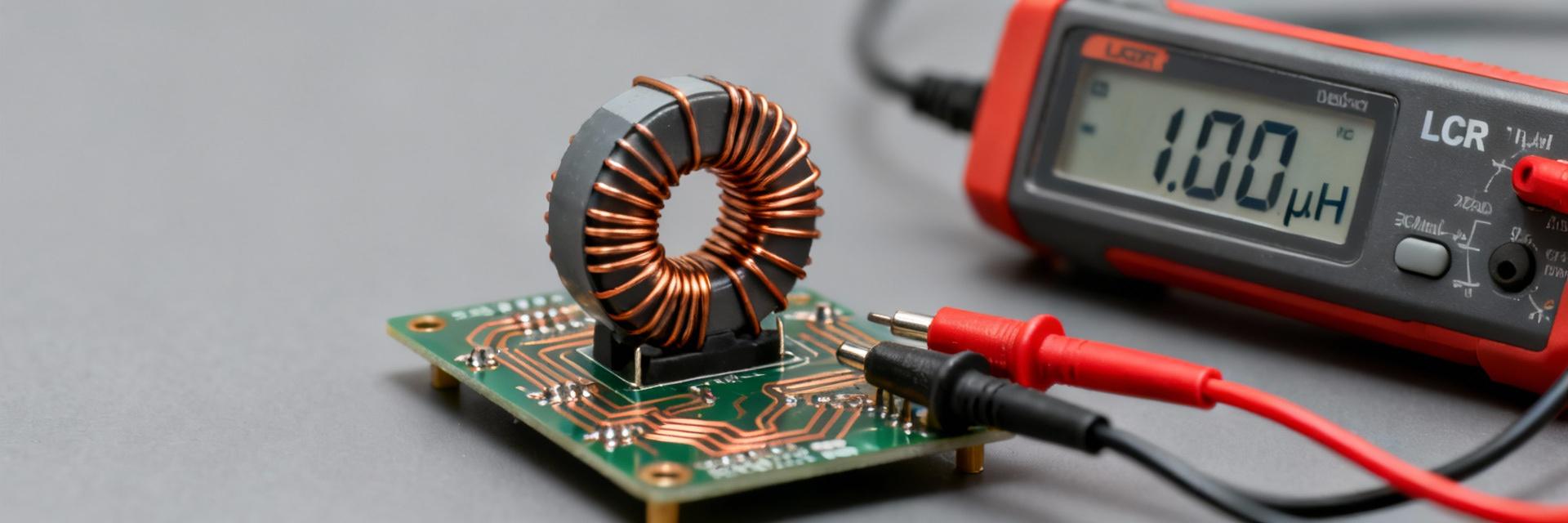
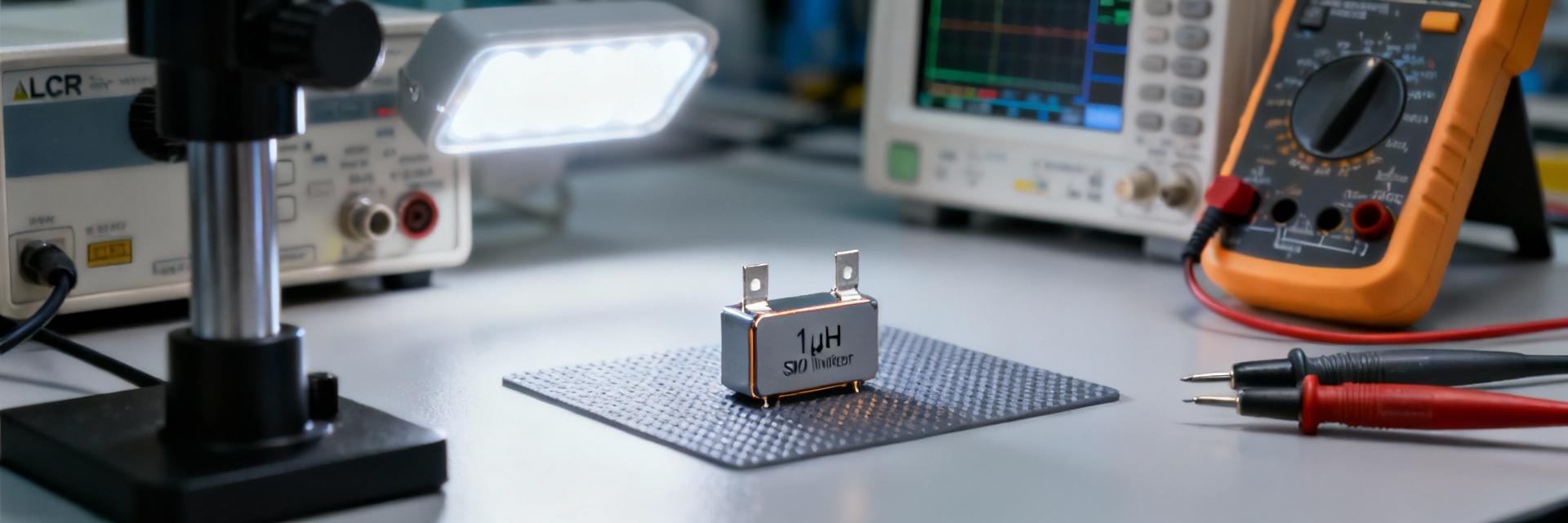
To achieve repeatable results for the 784774212, use Kelvin four-wire connections for DCR and high-precision LCR meters for inductance.
- ✔ Precision LCR meter (Set to datasheet frequency, typically 100kHz)
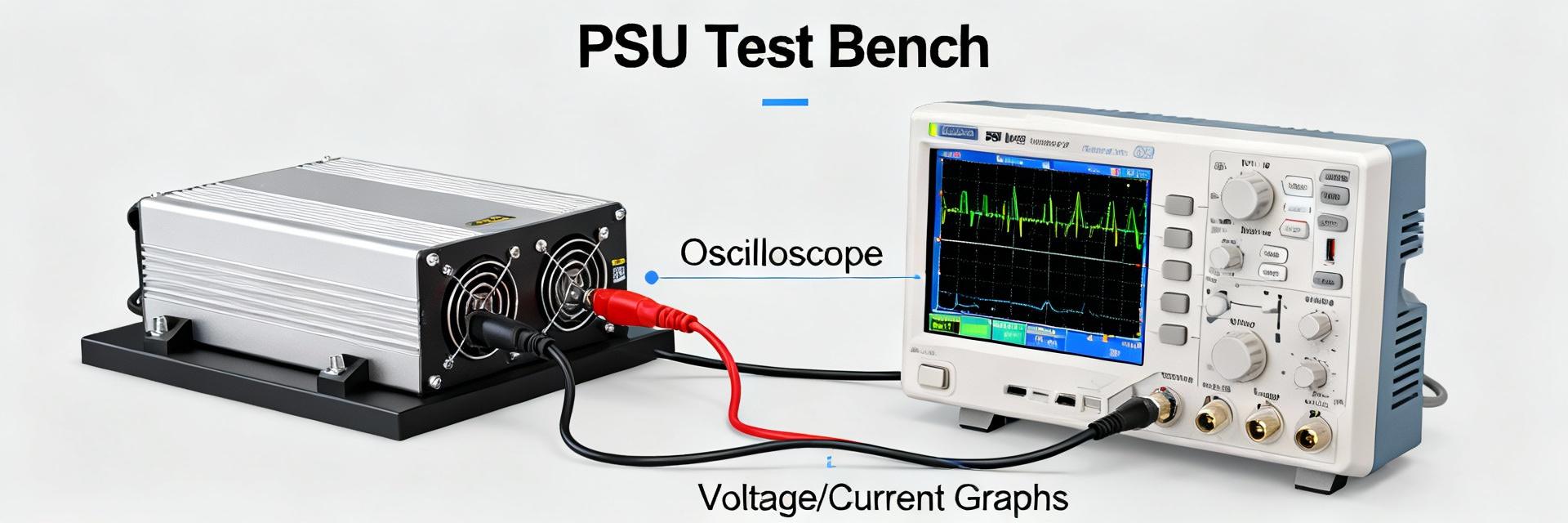
- ✔ DC Supply with current limit (For saturation testing)
- ✔ Impedance Analyzer (For SRF verification)
Engineer's Expert Insight (E-E-A-T)
PCB Layout Advice
"When placing the 784774212, keep the switch node traces as short as possible. Use wide copper pours for the inductor pads to act as heat sinks. Avoid running sensitive feedback lines directly under the inductor core to prevent magnetic coupling."
Troubleshooting Guide
- Audible Noise? Check if the switching frequency aligns with the inductor's mechanical resonance or if you're hitting saturation.
- Overheating? Verify your DCR measurement; high solder resistance is a common culprit.
Recommended decoupling capacitor placement relative to SMD pads.
Step-by-Step Bench Procedures
1. Inductance & DCR
Measure at 100kHz. If L is 132µH, the part is likely out of spec. Use a milliohm meter for DCR to ensure power efficiency.
2. High-Frequency SRF Sweep
Sweep impedance. If the SRF is near your switching frequency, the inductor will behave like a capacitor, leading to total filter failure.
3. DC-Bias (Isat) Verification
Apply DC current while measuring AC inductance. If L drops by more than 30% before reaching the rated Isat, the core quality is suspect.
FAQ
Q: How do I test a 120µH SMD inductor for DC bias effects?
A: Apply a DC current ramp and measure L at each step. Plot the curve to find the "knee" where saturation occurs.
Q: When should I reject a lot of 784774212 inductors?
A: Reject if DCR is >10% above max spec or if L falls outside the tolerance band at the rated test frequency.
Summary Checklist
- Extract L, DCR, Isat, SRF
- Calibrate LCR Meter
- Four-Wire DCR Test
- L vs. DC Bias Plot
- SRF Verification
- Functional In-Circuit Check