Analyzing the reliability profile, market drivers, and qualification gaps for automotive power electronics in the 2025–26 cycle.
Current industry estimates for 2025–26 show rising use of AEC-Q200-qualified SMD passives in automotive power electronics, with SMD inductors representing a growing share of ECU BOMs as EV and ADAS adoption accelerates. This report delivers an actionable checklist for engineers to reduce in-service risk.
01 Background & Technical Definition
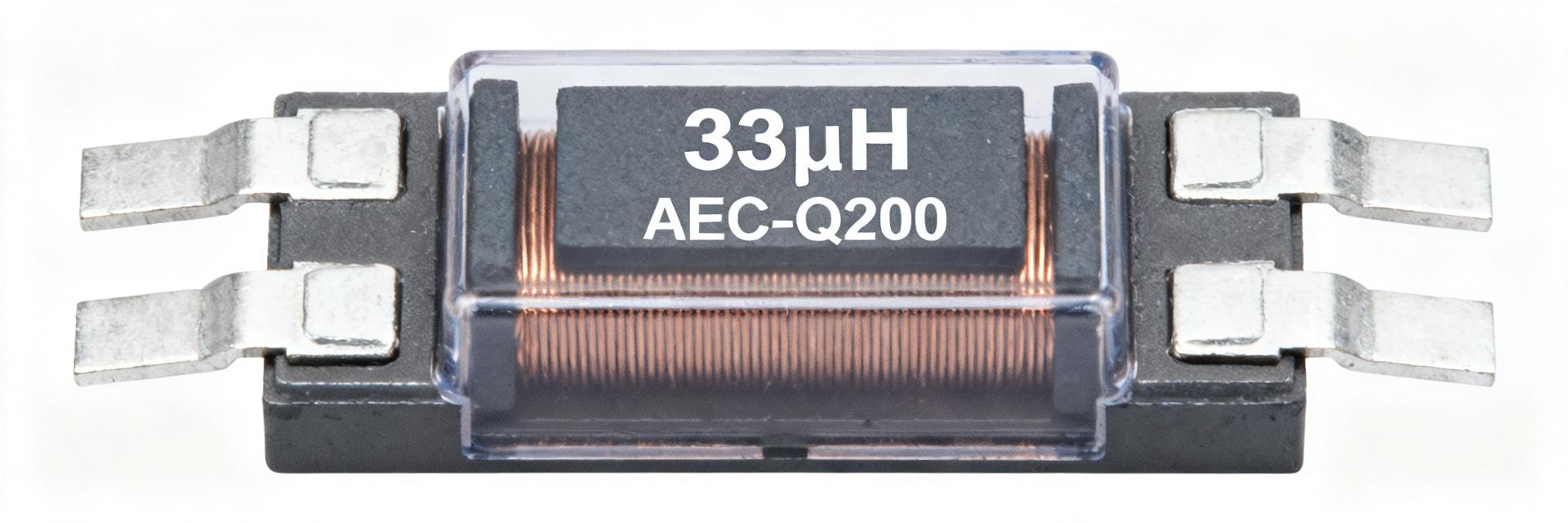
Technical definition & typical electrical specs
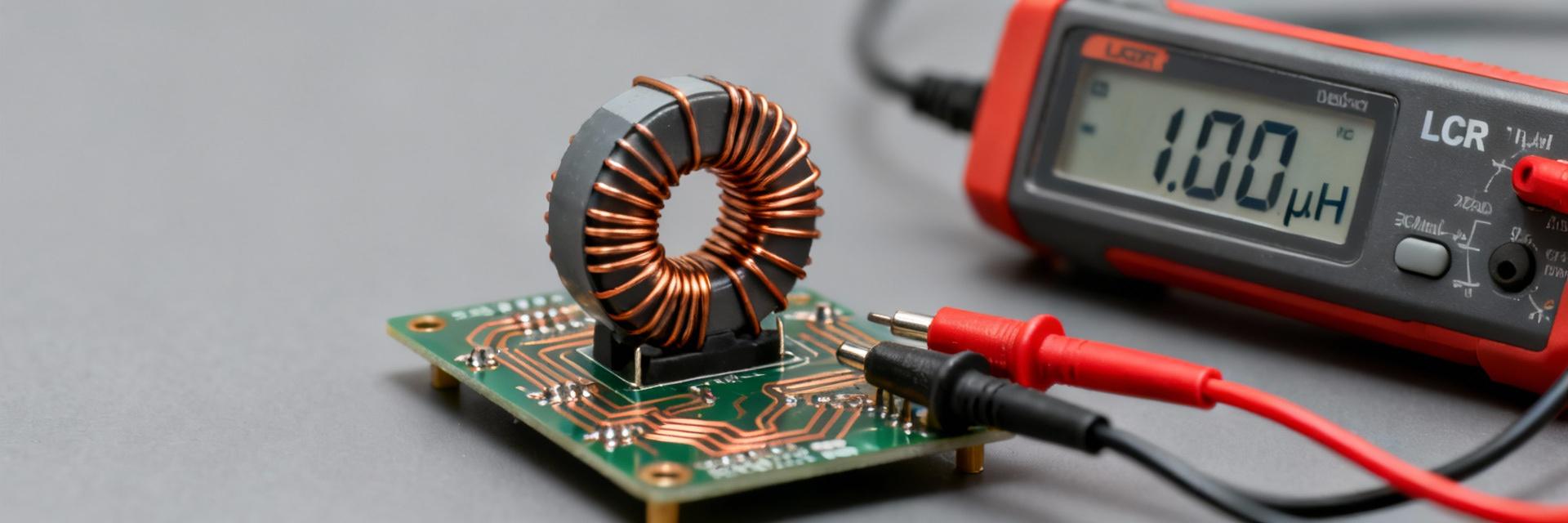
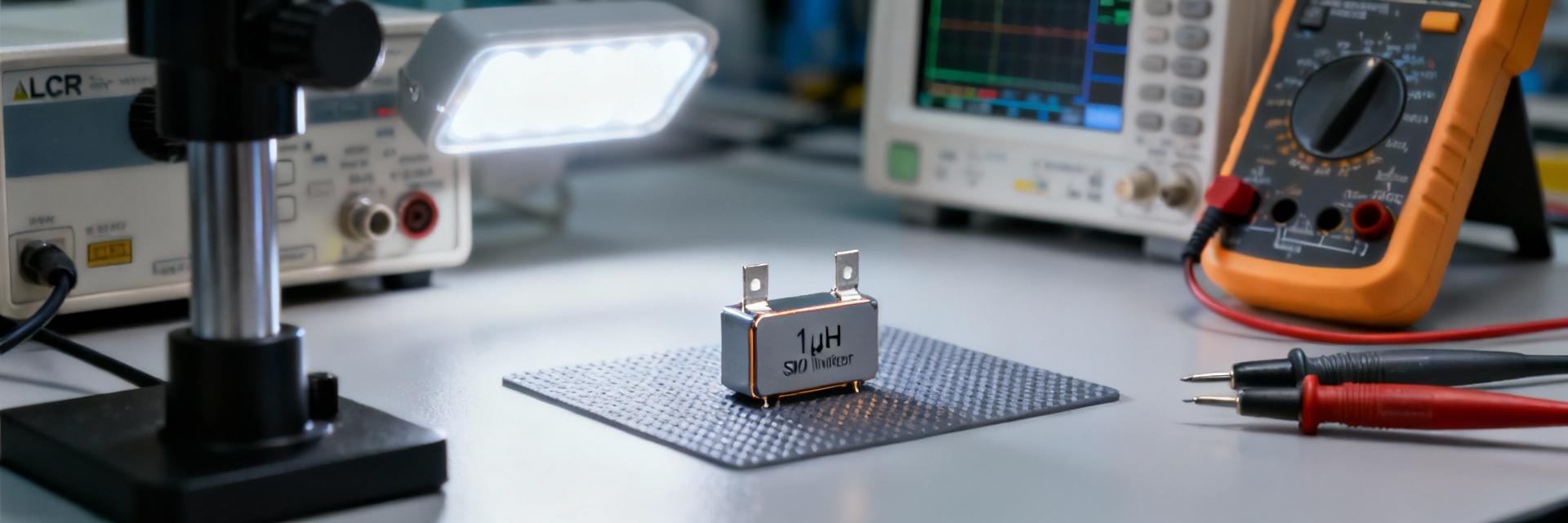
Point: A nominal 33µH SMD inductor is selected where moderate energy storage and filtering are needed in compact power stages.
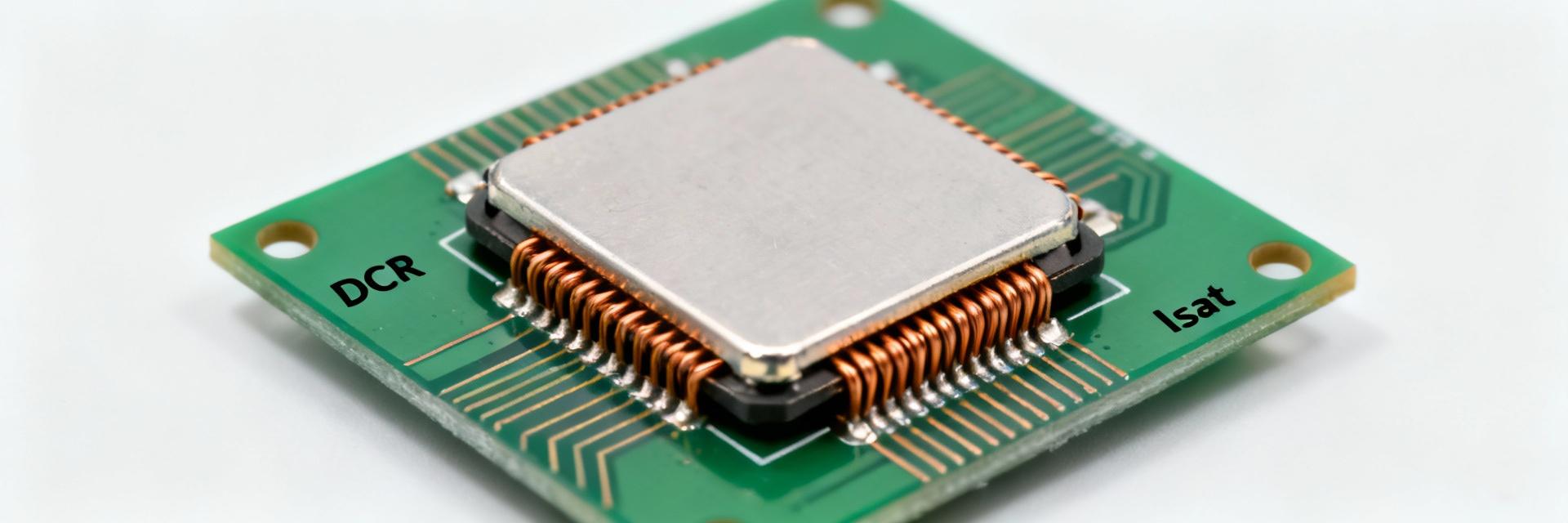
Evidence: Typical specs include DC bias curves showing significant inductance drop under rated current, rated currents from ~0.5–5 A, DCR in the milliohm-to-ohm range.
Explanation: Engineers must size for DC-bias derating and thermal rise; package sizes commonly include 0603–1210 footprints and both shielded and unshielded constructions.
Automotive application contexts
Point: 33µH values appear in buck/boost converters, pre-regulation, and EMI filters.
Evidence: In automotive ECUs, constraints include wide ambient temps, vibration, and high ripple currents.
Explanation: The choice is driven by switching frequency and allowable ripple; higher inductance reduces ripple but increases size and potential saturation.
Market Reliability Overview
Common Failure Mechanisms Distribution (Est.)
Reliability metrics & OEM measurement
Point: OEMs translate lab results into MTBF/FIT/DPPM targets to qualify AEC-Q200 inductors for safety-critical ECUs.
Evidence: MTBF is derived from accelerated test failure rates and FIT is failures per billion device-hours; DPPM targets for safety-relevant modules commonly aim below low hundreds per million in production.
Explanation: For 33µH parts, acceptable thresholds include documented life tests, low in-field return rates, and supplier-provided MTBF estimates backed by Weibull fits.
03 Qualification & Extended Testing
AEC-Q200 Specifics
Critical subtests include temperature cycling, thermal shock, vibration, mechanical shock, and humidity. Pass criteria: no electrical discontinuity and inductance within tolerance.
Extended Life Testing
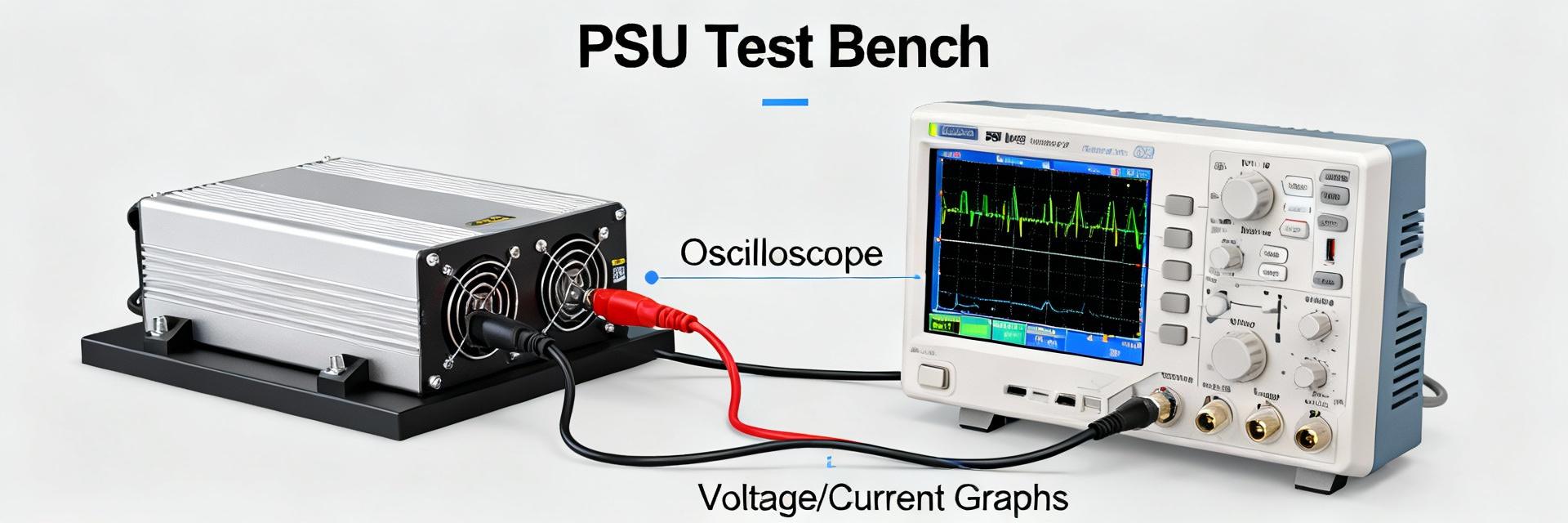
Recommended: thermal-aging with current bias, power cycling, and DC-bias ramp tests. Use Arrhenius extrapolation to estimate field life from accelerated data.
Manufacturing & Supply-chain Factors
Materials: Core material, winding method, and encapsulation dictate drift and robustness. Ferrite grade and resin cure influence temperature coefficient and brittleness.
Assembly: Aggressive reflow profiles, incompatible solder pastes, and board flex increase mechanical stress. Include conservative reflow ramps and board layout stress relief to minimize failures.
Practical Reliability Checklist
Spec & Procurement
- Explicit AEC-Q200 grade/temp range
- DC-bias inductance curves at op-temp
- DCR tolerance & Saturation current
- Life-test certificates & DPPM SLAs
In-Field Monitoring
- Track inductor temperature rise
- Monitor ripple voltage (20% threshold)
- Efficiency decline monitoring
- Correlate anomalies with batch IDs
Summary
- 33µH AEC-Q200 SMD inductors should be specified with clear DC-bias curves, saturation current, and life-test evidence to limit in-service risk.
- Material and process choices—ferrite grade, winding, and encapsulation—drive drift and mechanical robustness.
- Extended testing beyond AEC-Q200 provides actionable MTBF/FIT estimates to support market reliability planning.
FAQ
What are common failure modes for 33µH SMD inductor reliability?
Mechanical termination cracks, thermal degradation of encapsulants, magnetic saturation under DC bias, and solder/joint fatigue are most common. Detectable symptoms include rising ripple or abrupt efficiency loss.
How should OEMs use MTBF and FIT for 33µH inductors?
Use MTBF/FIT derived from accelerated life tests as comparative metrics. Ensure suppliers provide test matrices and sample sizes when qualifying parts for safety-critical ECUs.
Which additional tests improve confidence beyond AEC-Q200?
Thermal-aging with operating current, power cycling, DC-bias ramp tests, and humidity-bias. These help extrapolate realistic field life and reveal insulation breakdown.