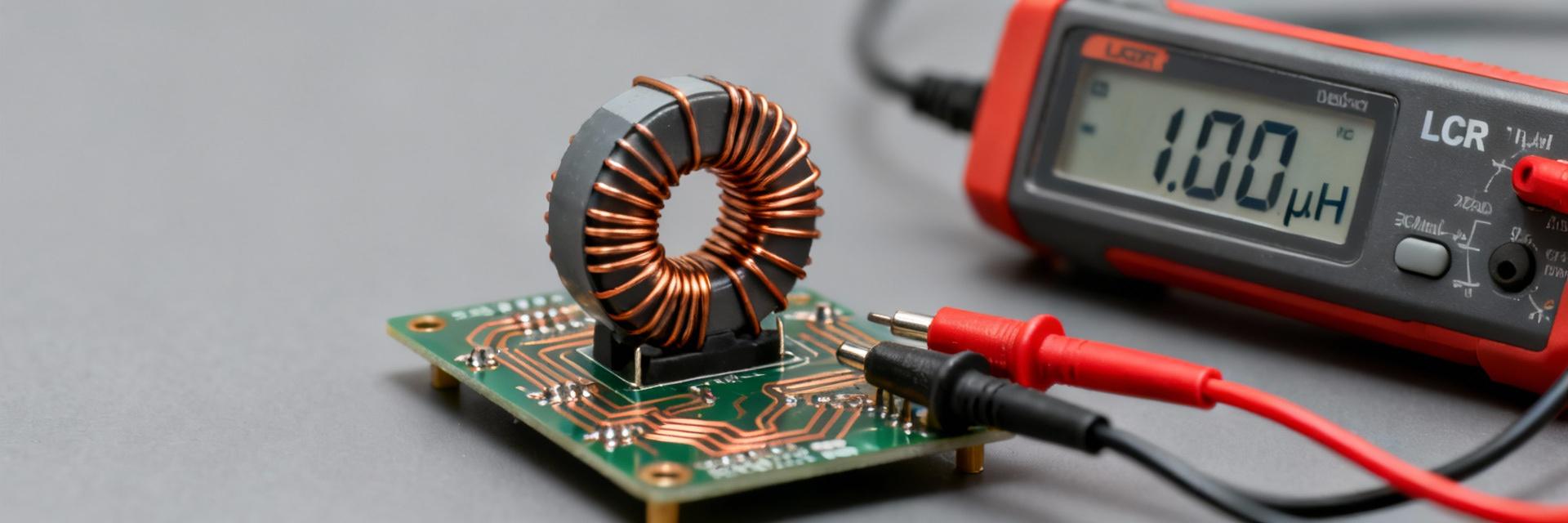
The 784774118 power inductor rates 18 µH with a typical DC current rating around 1.45 A and a max DCR near 150 mΩ — numbers that determine whether it will meet a buck converter’s transient and thermal requirements. This article is a practical, data-driven walkthrough of the 784774118 datasheet so engineers can quickly extract limits, perform derating calculations, and validate component fit for power designs.
Background & part overview

784774118 is an SMD wirewound/drum-core style inductor in a compact size class; its construction directly affects DCR, saturation and thermal behavior. The datasheet’s mechanical drawing and electrical tables show the package, winding style and recommended land pattern, which together explain why wire gauge and core material set both DCR and saturation current.
What the 784774118 is (form factor & construction)
Point: The part is a surface-mount, wirewound power inductor optimized for low-power DC-DC and input-filter roles. Evidence: The datasheet lists a molded/drum or toroidal core with plated terminals and a small footprint. Explanation: Wirewound construction yields predictable inductance and higher saturation threshold versus multilayer parts, but its DCR is higher, so thermal and loss trade-offs must be evaluated against converter efficiency targets.
Where to find the essential datasheet pages
Point: Scan the electrical specs table, L vs I curve, mechanical drawing and thermal/assembly notes first. Evidence: Datasheet layouts consistently place rated current, DCR (typ/max), L vs I graph and recommended land pattern on early pages. Explanation: Reading in that order gets you the numbers for loss math, the L(I) behavior for transient headroom, and the footprint rules to verify mechanical fit before deeper review.
Key electrical specifications to extract
Start the electrical review by confirming inductance, DCR, rated and saturation currents, and SRF; these define usable frequency range and losses. Record the tabulated values and extract the L vs I curve and impedance vs frequency plot for later bench validation.
Inductance, tolerance & frequency behavior
Point: The 18 µH nominal value and its tolerance determine ripple and control-loop behavior in a switching regulator. Evidence: The datasheet shows inductance measured at a reference frequency (often 100 kHz or 1 MHz) with a tolerance band. Explanation: Inductance can fall with increasing frequency and under DC bias; use the L vs frequency and tolerance to size peak-to-peak ripple and to confirm the part won’t significantly change during expected switching conditions.
DCR, rated current, saturation & SRF
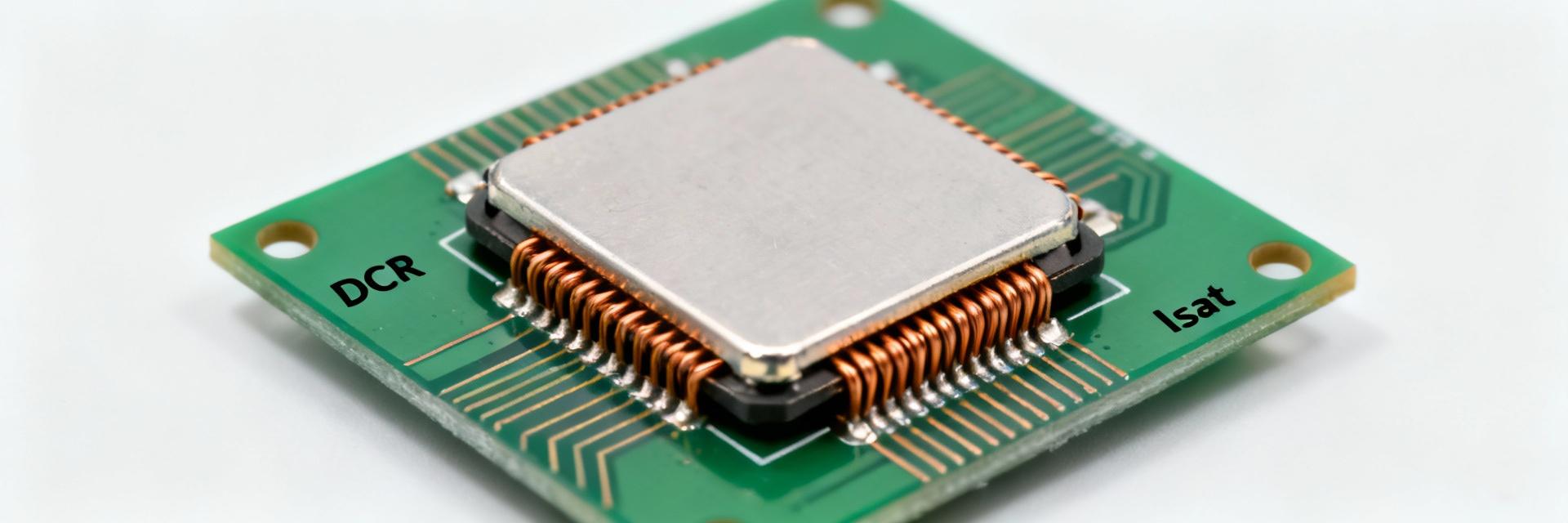
Point: DCR (~150 mΩ max) drives I²R losses; rated vs saturation current control thermal and transient headroom, while SRF caps high-frequency usefulness. Evidence: The datasheet provides max DCR, a rated current (typically where temperature rise is specified) and an L vs I curve showing inductance collapse at saturation. Explanation: Use DCR for steady-state loss calc, rated current for continuous operation, and saturation current for transient and inrush checks; ensure SRF is above switching harmonics to avoid resonance issues.
Thermal, mechanical & environmental limits
Point: Operating temperature and assembly profiles set reliability and derating requirements. Evidence: The datasheet lists operating/storage temps and recommended solder/reflow profiles and cleaning notes. Explanation: Follow reflow temperature limits to avoid insulation or core damage; consider storage humidity and solvent advice as wire insulation or markings can degrade if mishandled.
Operating temperature, soldering and storage limits
Point: Solder profile and max operating temperature constrain board-level thermal design. Evidence: Typical datasheet notes specify peak reflow temps and maximum component temperature under load. Explanation: Combine ambient, PCB heating and I²R self-heating to verify the inductor stays within allowable temperature; improper reflow or cleaning can affect winding insulation and long-term reliability.
Mechanical drawing, footprint & vibration/assembly notes
Point: Check pad land pattern, height and tolerance to avoid assembly failures. Evidence: The mechanical drawing in the datasheet offers recommended land pattern dimensions and clearance values. Explanation: Correct pad design and adequate solder fillet prevent mechanical stress; vibration notes indicate whether adhesive or support is needed for robust field performance.
Current limits, saturation behavior & derating
Point: Interpreting rated vs saturation current and applying derating avoids unexpected inductance loss during transients. Evidence: The L(I) curve in the datasheet shows inductance falling as DC bias increases, marking a saturation region. Explanation: Use the curve to choose a part with sufficient inductance at the expected DC bias and to size margins for pulses or inrush.
Step-by-step derating and loss calculations
Point: Use DCR and current to compute steady-state loss and apply derating margin. Example: At 1.45 A, loss = 1.45² × 0.15 Ω ≈ 0.315 W. Recommend derating 20–30% for elevated ambient: 1.45 A × 0.8 = 1.16 A.
| Parameter | Value |
|---|---|
| Nominal inductance | 18 µH |
| Typical rated current | ~1.45 A |
| Max DCR | ~150 mΩ |
| Example I²R loss @1.45 A | ≈0.32 W |
How to validate datasheet claims in the lab
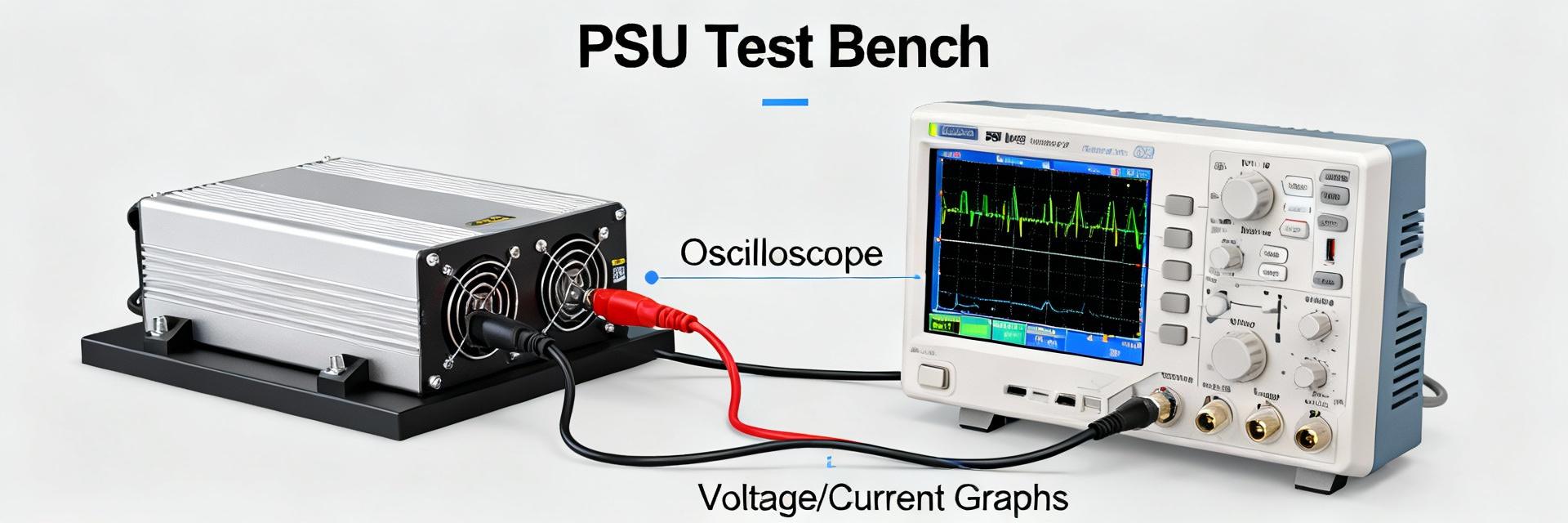
Point: Bench validation confirms real-world limits and uncovers manufacturing variance. Evidence: Typical datasheet tests correspond to L vs I, DCR at specified temperature, and thermal soak tests. Explanation: Run the same tests to confirm part behavior on your board and capture assembly-specific thermal results.
Selection checklist & integration tips
Quick pre-purchase checklist
- Inductance & tolerance matched to ripple specs
- DCR within efficiency budget (use DCR loss calculation)
- Rated and saturation current with derating margin
- SRF above switching harmonics
- Operating temp and solder profile compatible
- Footprint/height and availability verified
Summary
Practical takeaway: extract inductance, DCR, rated/saturation currents, SRF and temperature limits from the datasheet, run the derating math and bench tests before committing the 784774118 part.
- Record L, tolerance and L vs I curve to size ripple and transient headroom for the 784774118.
- Use DCR for I²R loss calculation (example: ≈0.32 W at 1.45 A); apply 20–30% current derating when needed.
- Validate with L vs I, DCR and thermal soak tests on the target PCB to confirm datasheet claims and assembly effects.